
Cart 0

Is 925 Silver Real? Truth About Quality & Authenticity
Is 925 silver real? Yes, 925 sterling silver is absolutely real silver. But there is a longer answer that will help you understand its purity, durability, and how to identify genuine silver before buying.
If you have ever spotted the tiny “925” stamp on your jewellery and wondered what it actually means, this guide explains everything clearly, no confusing jargon.
What Does 925 Mean?
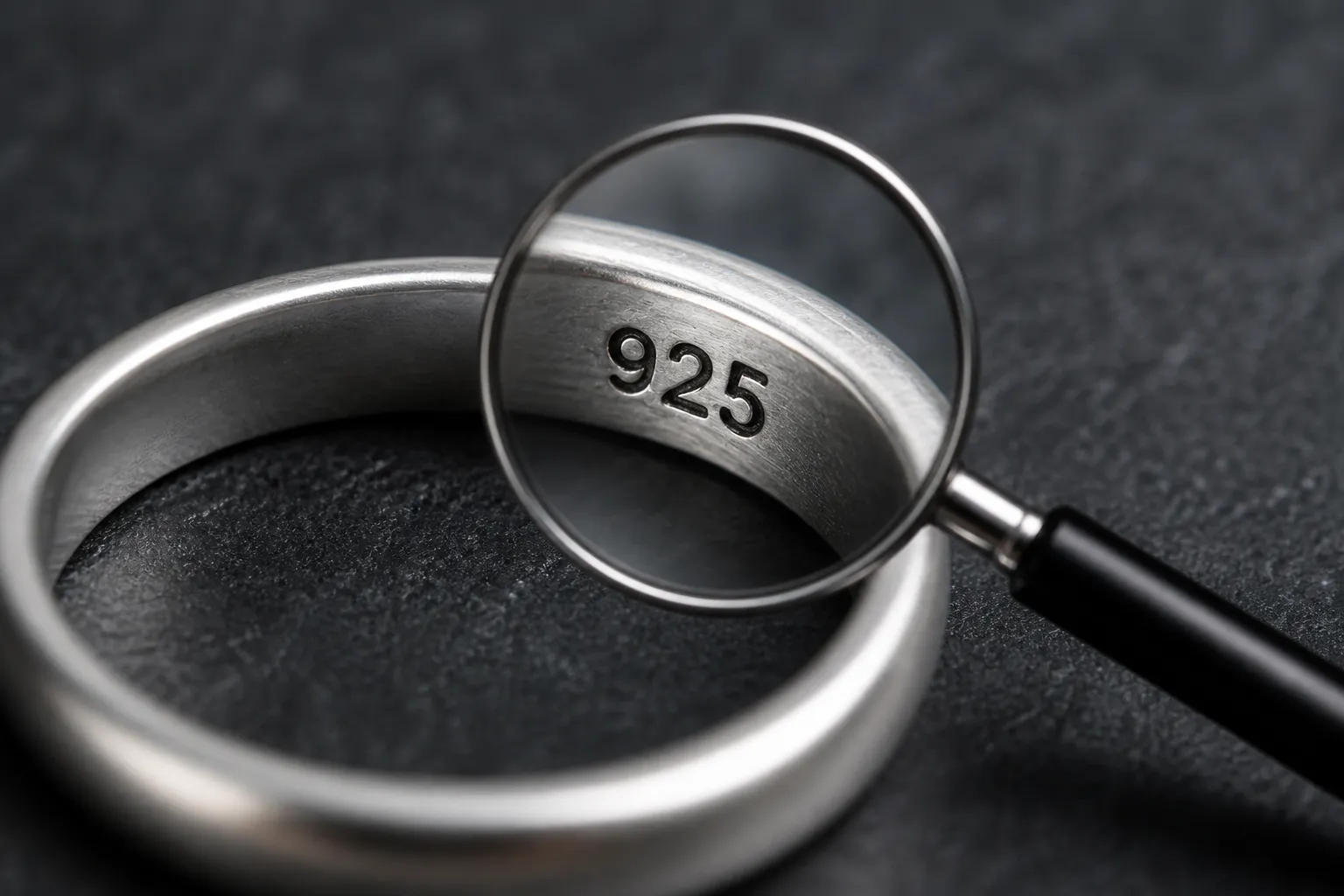
The number 925 is a purity hallmark stamped on jewellery. It tells you that the piece contains 92.5% pure silver, with the remaining 7.5% being other metals, usually copper or zinc, added for strength.
Think of it like this: if you had 1,000 parts of the metal in your ring, 925 of those parts would be pure silver. That is what the number means parts per thousand.
| The 925 Breakdown | What It Means |
| 92.5% ; Pure Silver | The real precious metal. Gives silver its shine, value, and beauty. |
| 7.5% ; Copper / Zinc | Added for durability. Without it, silver would be too soft to wear. |
The hallmark is usually stamped in a small, hidden spot inside a ring band, on the clasp of a necklace, or on the back of an earring. Always look for it before purchasing silver jewellery.
According to Wikipedia, sterling silver contains 92.5% pure silver and is widely used in jewellery.
Link :- https://en.wikipedia.org/wiki/Sterling_silver
Is 925 Silver the Same as Sterling Silver?
Yes, they are the same thing. “925 silver” and “Sterling silver” are two names for an identical product.
The word “sterling” has been used for centuries to describe silver that meets the 92.5% purity standard. Today, jewellery makers use both terms, and both mean exactly the same quality and composition.
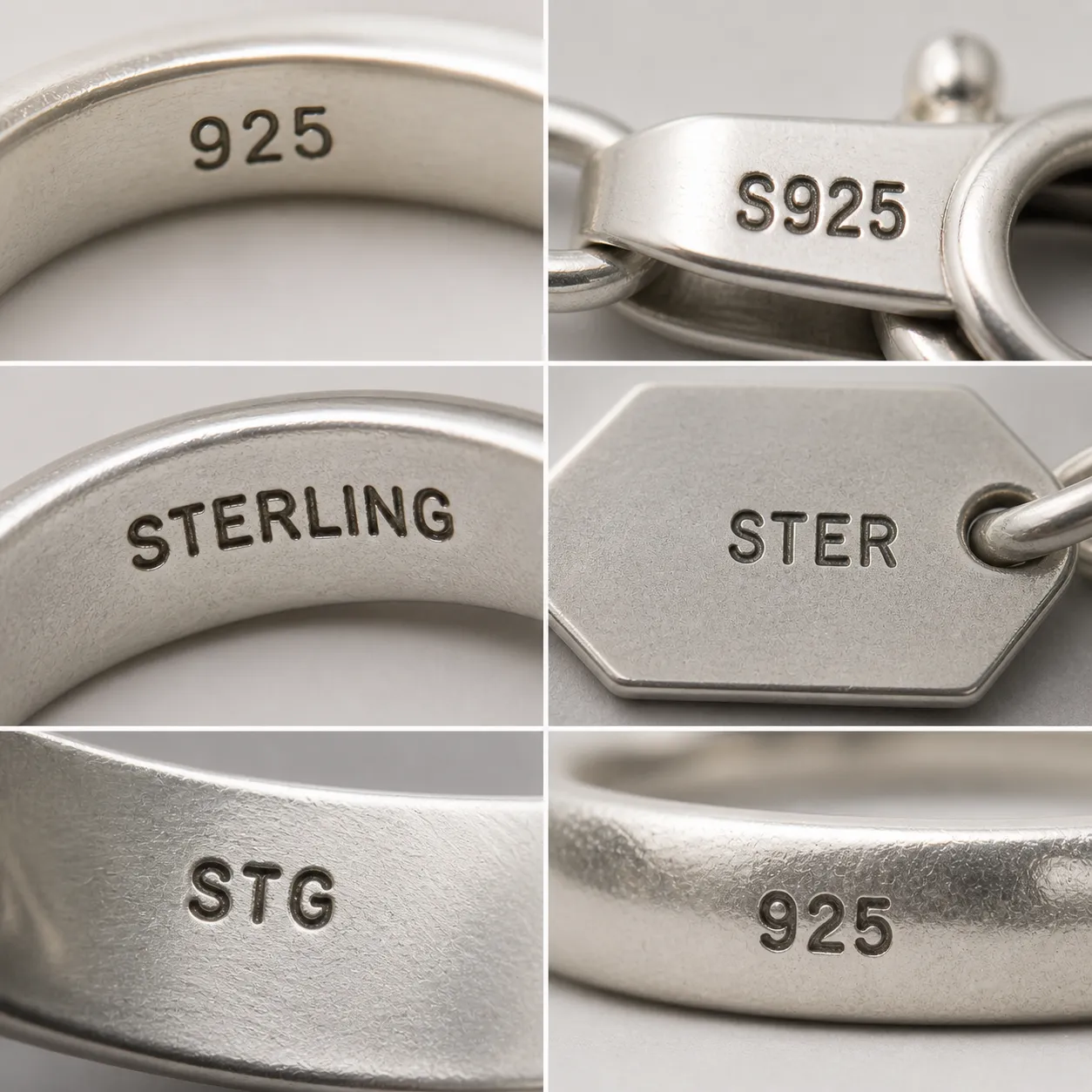
| QUICK FACT You may see any of these stamps on genuine sterling silver jewellery: • 925 • S925 • Sterling • Ster • STG All of these confirm 92.5% silver purity. They are legally equivalent. |
How Pure Is 925 Silver Compared to Other Types?
Not all silver jewellery contains the same amount of real silver. Here is how 925 sterling silver compares to other common types you will encounter especially when shopping online in India:
| Type | Silver Content | Best For | Durability |
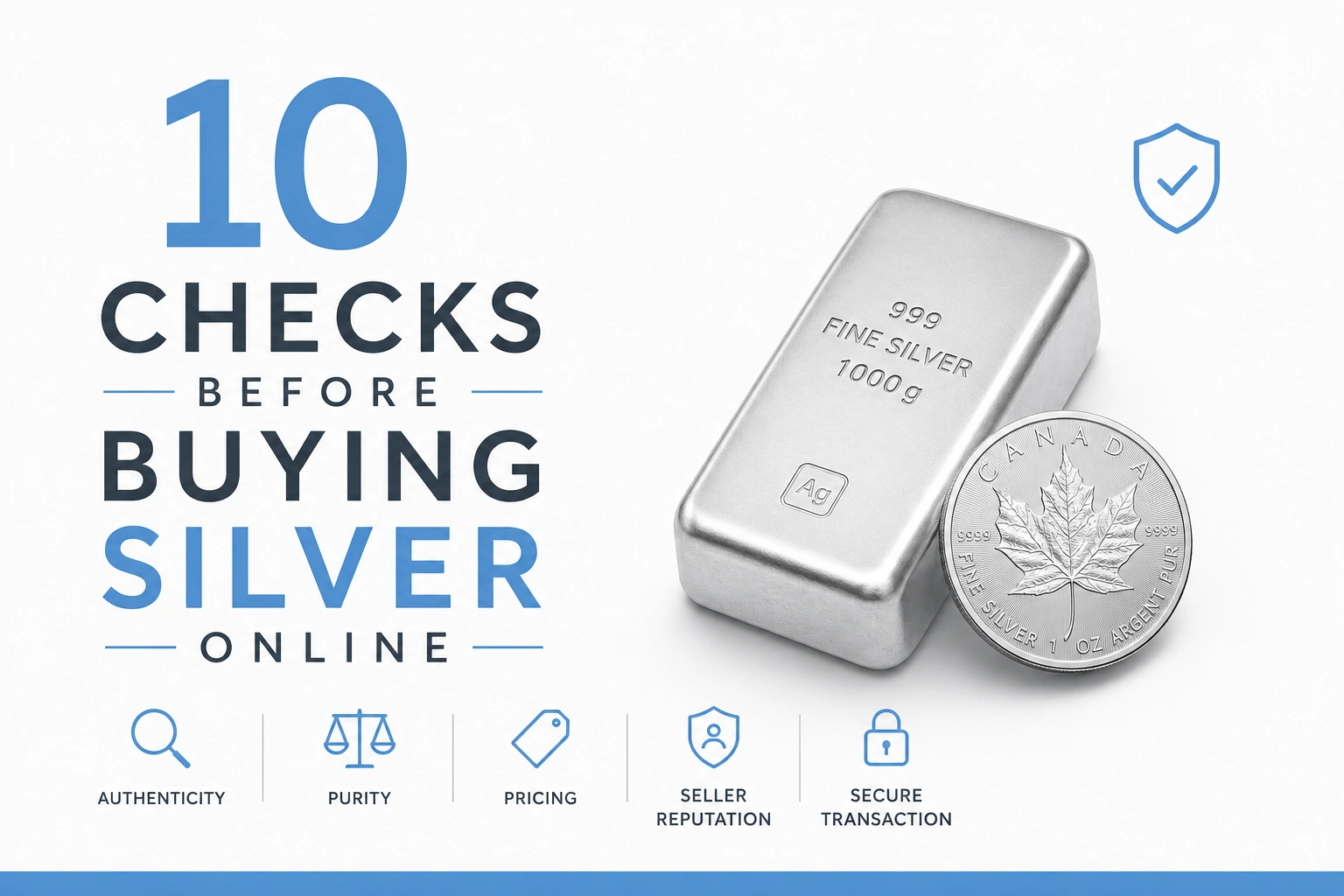
| 999 Fine Silver | 99.9% silver | Bullion, collecting, not jewellery | Too soft, bends easily |
| 925 Sterling Silver ✓ BEST | 92.5% silver | All jewellery :- shop our 925 collection | Strong, durable, everyday safe |
| Silver Plated | Just a thin coating | Fashion / costume jewellery | Fades, peels within months |
| German Silver | 0% real silver | Decorative items only | Not silver at all |
| Nickel Silver | 0% real silver | Industrial / craft use | Can cause skin reactions |
Key takeaway: “Silver-toned” or “silver-coloured” labels are not real silver. Always look for the 925 hallmark before buying.
Why Is 925 Silver Not 100% Pure?
This is the most common misconception about silver jewellery. People assume that less purity equals lower quality, but the opposite is true for everyday wear.
Here is the reality:
| Pure Silver (999) | 925 Sterling Silver |
| 99.9% silver, sounds better | 92.5% silver, actually better for jewellery |
| Extremely soft, scratches, dents, bends | Hardened with copper, holds its shape beautifully |
| Cannot hold fine detail or gem settings | Ideal for intricate designs, stone settings |
| Impractical for rings, bracelets, earrings | Perfect for all types of jewellery, worn daily |
“925 is not a compromise — it is the perfect formula. Pure silver would bend the first time you knocked your ring against a table.”
How to Confirm Your Silver Is Genuine 925
With so many silver-plated and fake products sold online, knowing how to verify authenticity is essential. Here are the four most reliable checks:
Check 1:- Look for the Hallmark (Most Reliable)
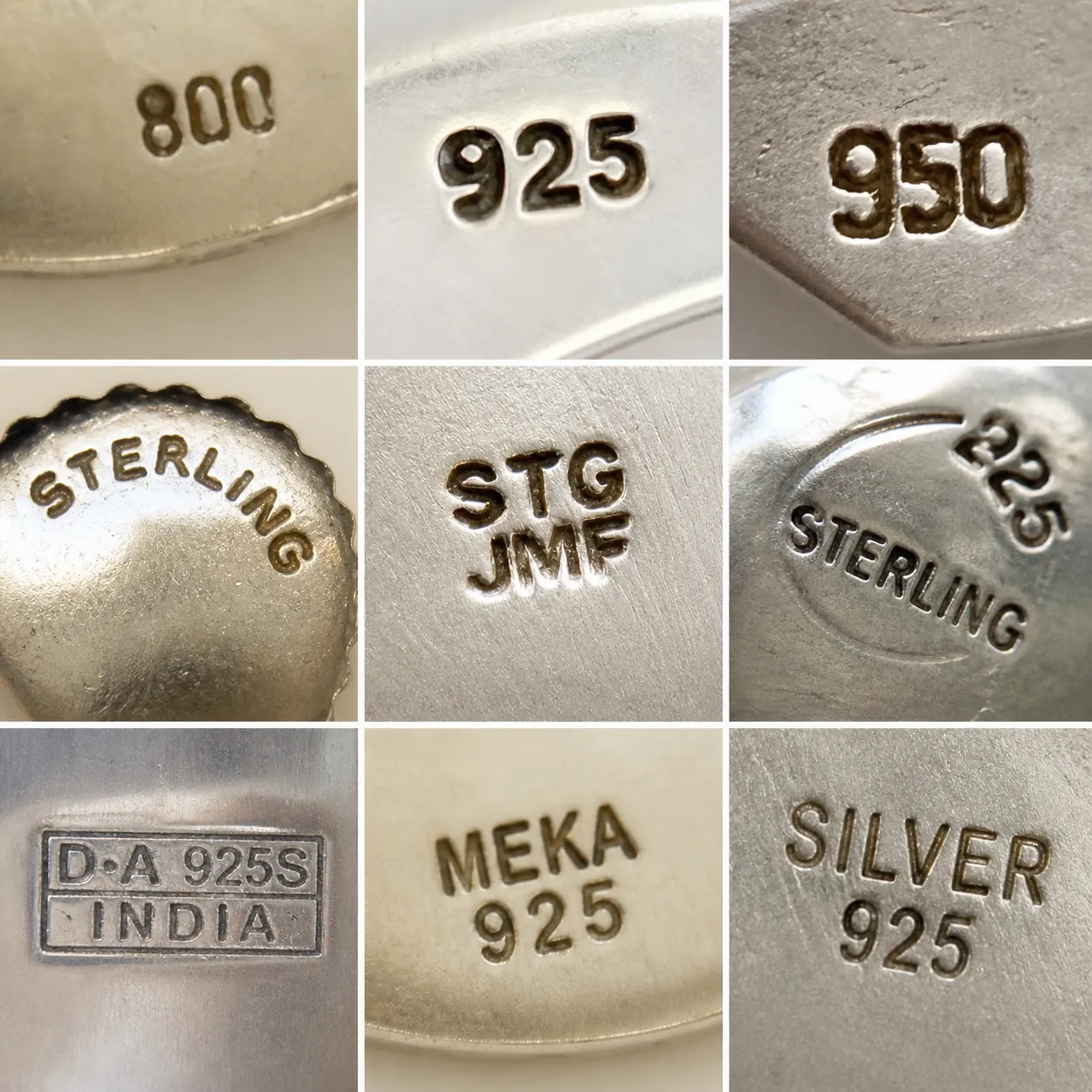
Genuine 925 silver will always carry a purity stamp. Look in these locations:
- Inside the band of a ring
- On the clasp or end piece of a necklace or bracelet
- On the post or back of earrings
No stamp? That is a red flag. Reputable brands like Neersterling mark every single piece with the 925 hallmark.NEERSTERLING.COM
Check 2 :- The Magnet Test
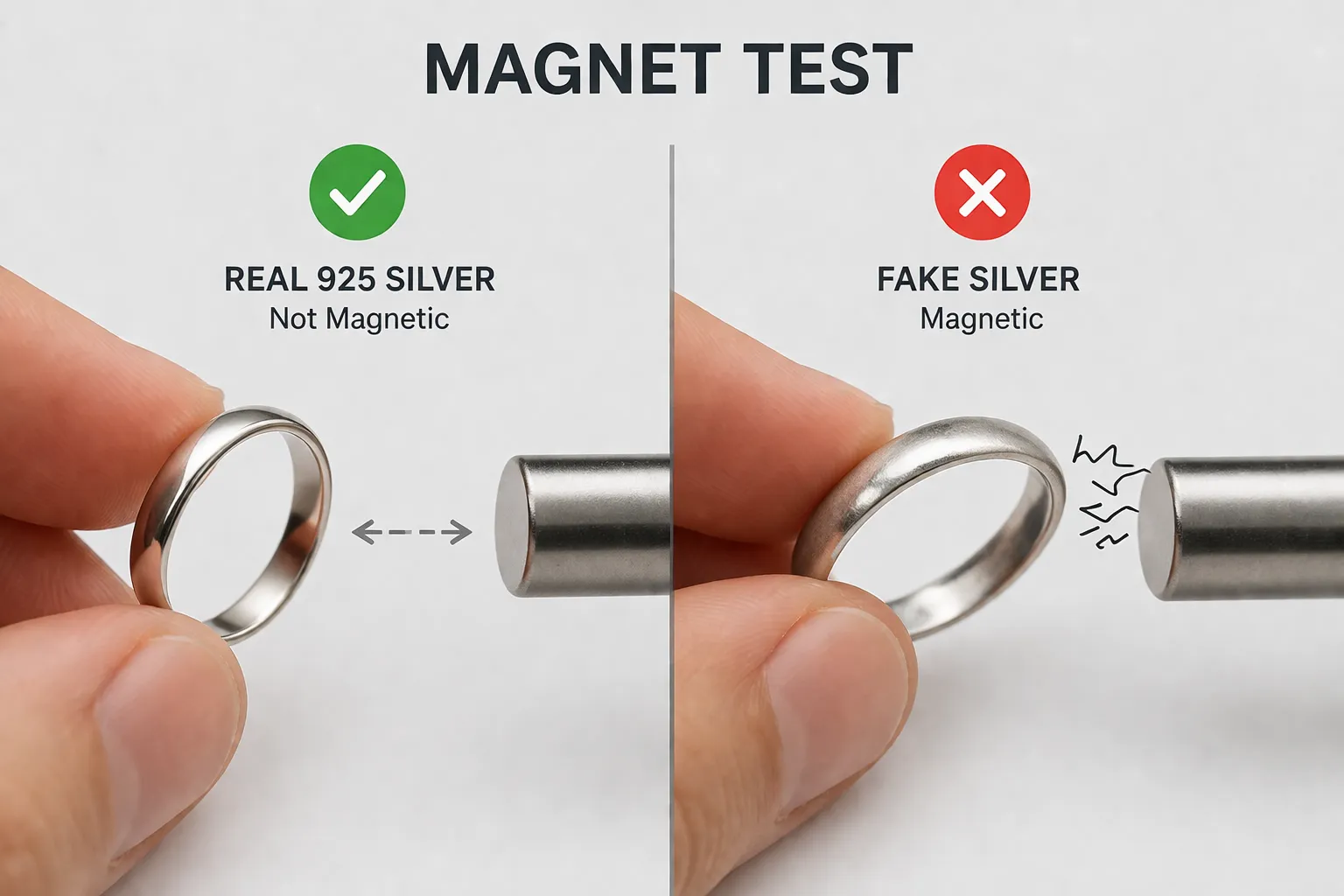
Real silver is not magnetic. Hold a strong magnet near the piece. If it sticks firmly, it is not genuine silver. (Note: some clasps have magnetic closures, test the main body of the jewellery, not the clasp.)
Check 3 :- The White Cloth Test
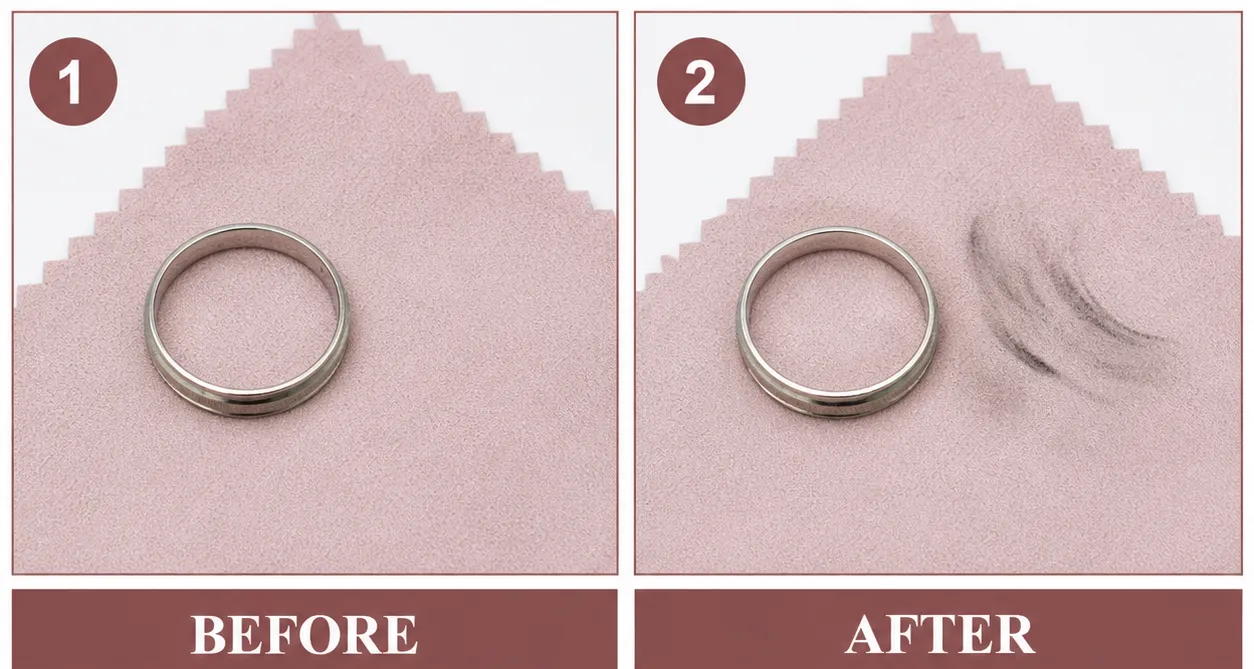
Rub the jewellery firmly with a clean white cloth. Genuine 925 silver will leave a faint black or grey mark from natural oxidation. This is not a sign of bad quality, it is proof the metal is real silver reacting naturally to air.
No mark at all? The piece is likely silver-plated or an entirely different metal. (Want to know more about why silver darkens? Read: Why Does Silver Jewellery Turn Black?)
Check 4 :- Buy From a Verified 925 Seller
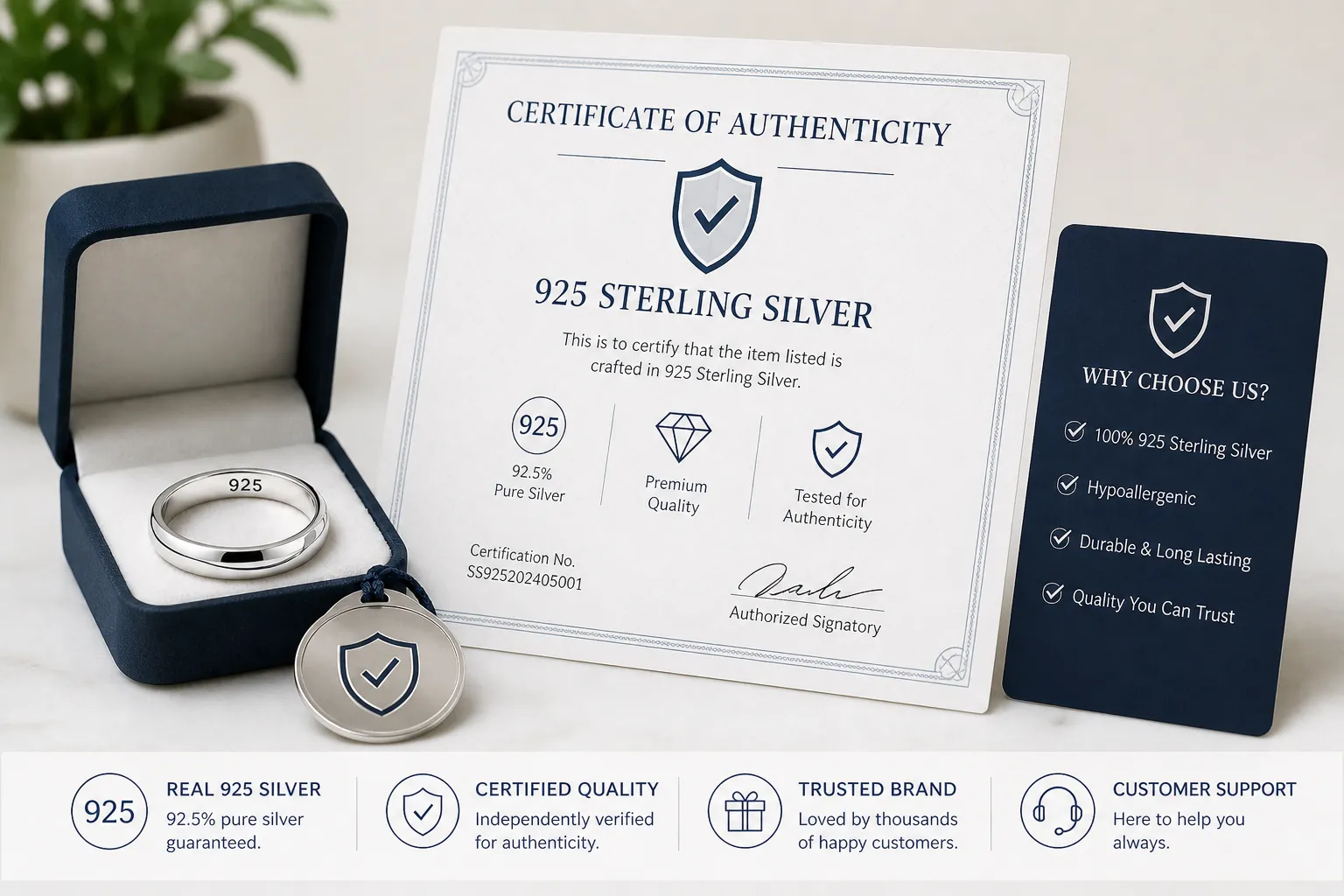
The safest way to guarantee genuine 925 silver is to buy from a brand that specifies it clearly and backs it up. Check that the product listing says “925 Sterling Silver” not just “silver” or “silver-toned”. Browse our certified 925 sterling silver collection at neersterling.com
The Bottom Line
925 sterling silver is genuinely real silver, 92.5% pure, internationally certified, and the global standard for quality silver jewellery. The 7.5% alloy addition is not a downgrade; it is what makes the silver strong enough to be worn, shaped, and enjoyed for a lifetime.
When buying silver jewellery, always confirm the 925 hallmark. Everything else “silver-toned”, “silver-look”, “German silver”, is not real silver.
Frequently Asked Questions
Is 925 silver better than pure silver?
Yes, for jewellery. 925 sterling silver is harder, more durable, and holds its shape far better than 999 pure silver, which is too soft for daily wear. A pure silver ring would scratch and deform within days.
Will 925 silver turn my skin green?
Genuine 925 sterling silver does not turn skin green under normal wear. Skin discolouration is usually caused by low-quality plated jewellery where the base metal (often copper) reacts with sweat. If your “silver” jewellery is turning your skin green, it is not real 925 silver.
Does 925 silver tarnish?
Yes, and this is completely normal. Tarnishing (the dark coating that appears over time) is caused by silver reacting with sulphur in the air. It is surface-level only and removes easily with a soft cloth or mild soap. Tarnish does not mean the silver is damaged or low quality. Learn how to remove it: How to Clean Silver Jewellery at Home →
Is 925 silver good for sensitive skin?
Yes. 925 sterling silver is hypoallergenic for most people. Most skin reactions come from nickel-based alloys, not silver. At Neersterling, we use copper-based alloys to keep our jewellery skin-safe.
How long does 925 silver jewellery last?
With simple care, regular cleaning and airtight storage when not worn, 925 sterling silver jewellery can last decades. Many sterling silver pieces become cherished heirlooms passed down across generations.

Permalink