
Cart 0

How to Clean Silver Jewellery at Home
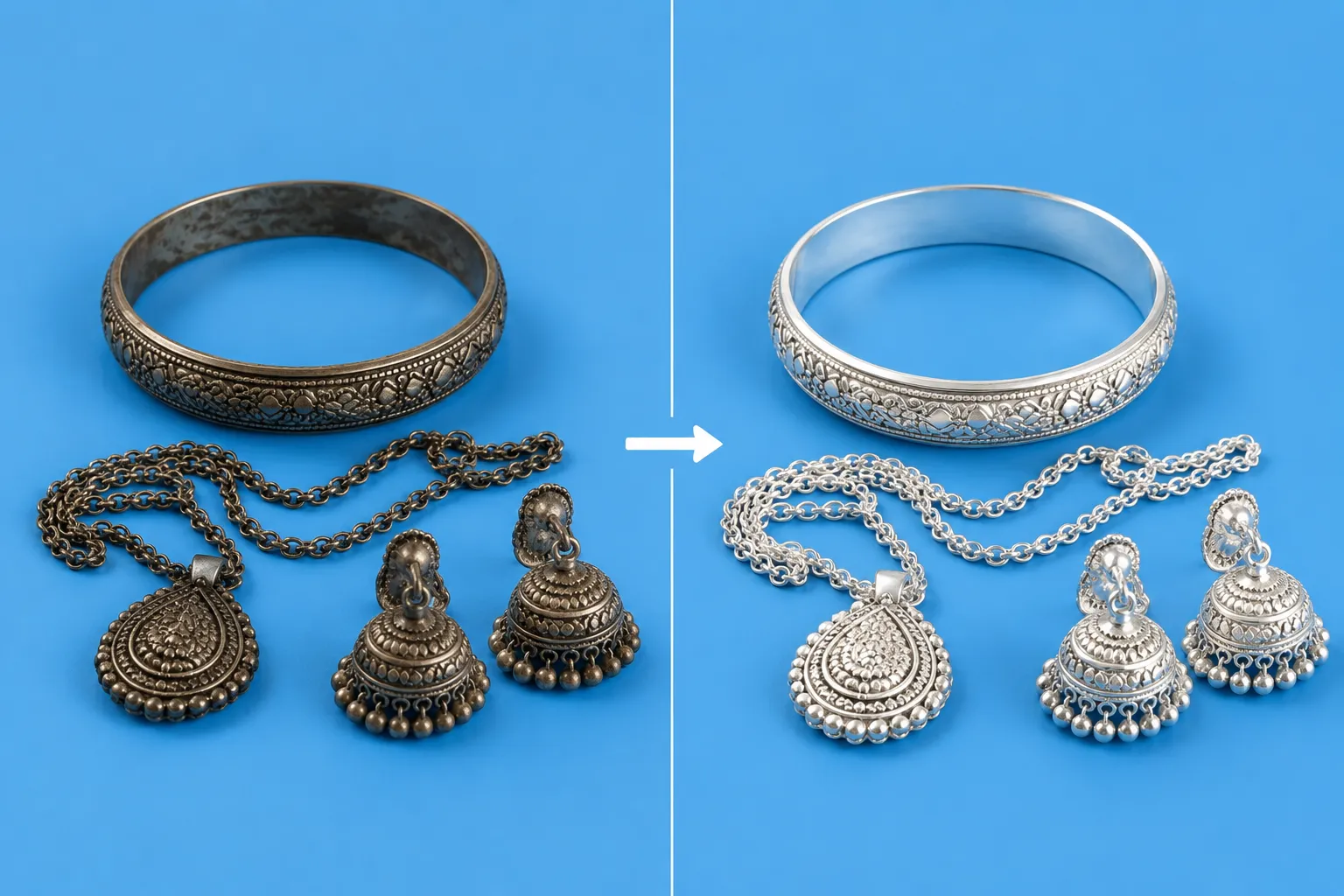
How to clean silver jewellery at home is one of the most common questions people have when their silver starts turning dull or black.
The good news is that tarnish is completely normal and very easy to remove. With the right methods, you can restore your jewellery’s shine in just a few minutes using simple things you already have at home.
How to Clean Silver Jewellery at Home, Before You Start Know Your Jewellery
Not all cleaning methods work for all silver pieces. Before picking a method, check two things:
| Type of Silver Piece | Best Method to Use |
| Plain 925 silver (no stones) | Any of the 5 methods below |
| 925 silver with gemstones | Method 1 or 2 only, avoid baking soda and aluminium foil |
| 925 silver with enamel work | Method 1 or 2 only, gentle wipe only |
| Heavily tarnished plain silver | Method 3 or 4, stronger methods |
| Quick daily shine | Method 1, polishing cloth, takes 60 seconds |
Is your jewellery genuine 925 sterling silver? All methods below are tested for real silver. If you are unsure whether your jewellery is genuine, read: Is 925 Sterling Silver Real Silver?
According to Wikipedia, silver tarnish forms when silver reacts with sulphur compounds in the air.
Link :- https://en.wikipedia.org/wiki/Tarnish
Method 1:- Silver Polishing Cloth (Quickest)
| AT A GLANCE Time: 60 seconds | Best for: Light dullness, daily maintenance | Safe for: All silver including stones |
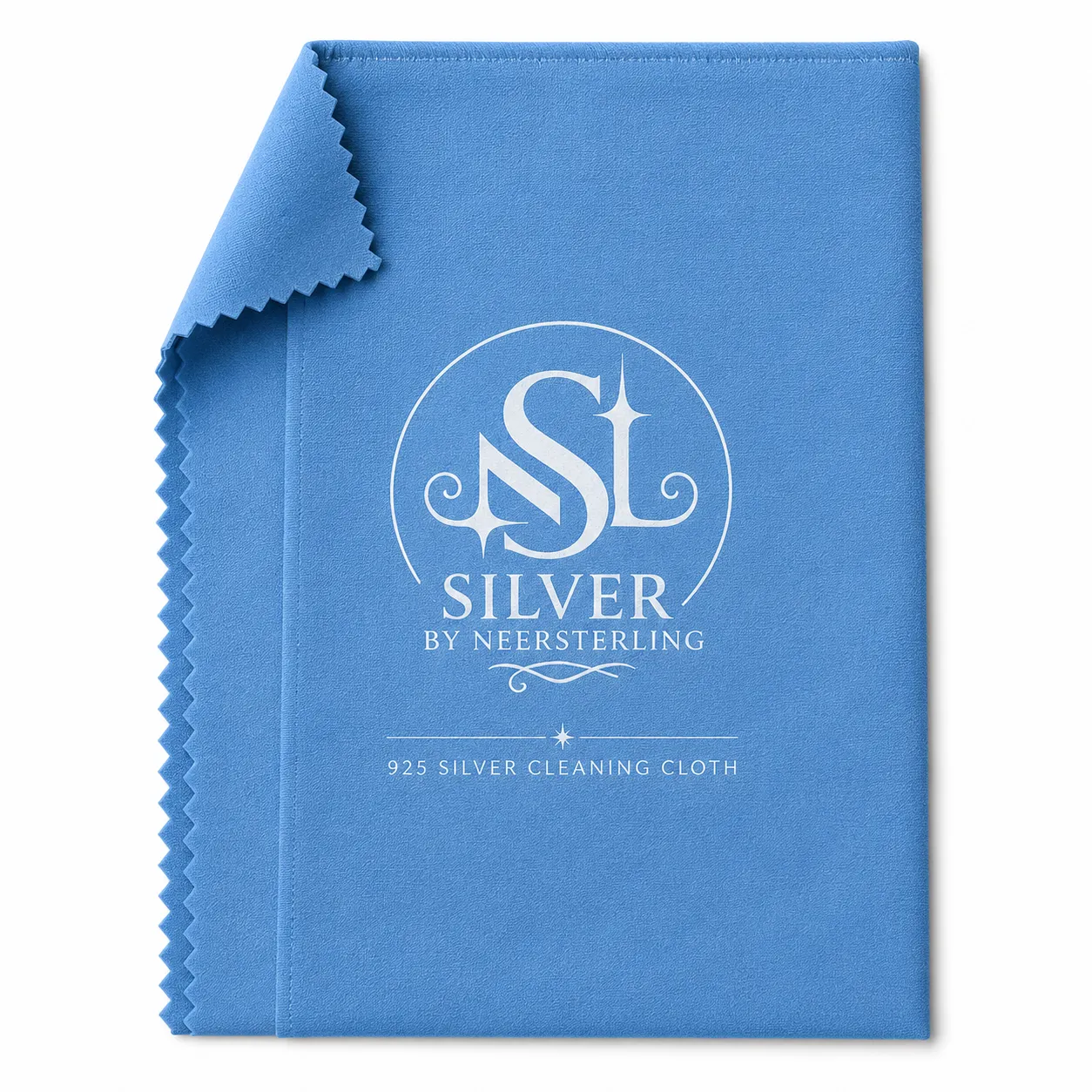
A dedicated silver polishing cloth is the easiest and safest option for regular care. It requires no water, no products, and no rinsing, just a quick buff.
How to do it:
- Hold the jewellery firmly in one hand
- Rub the cloth back and forth in one direction, not in circles
- Use light, even pressure, the cloth does the work
Continue until the shine returns
| PRO TIP A good polishing cloth has two layers, a slightly rough inner layer that removes tarnish, and a soft outer layer that buffs to a shine. Use the inner first, then finish with the outer for the best result. Polishing cloths are inexpensive and last a long time. |
Method 2 :- Soap & Warm Water (Light Tarnish)
| AT A GLANCE Time: 5-7 minutes | Best for: Light to moderate tarnish, routine cleaning | Safe for: All silver (with care for stones) |
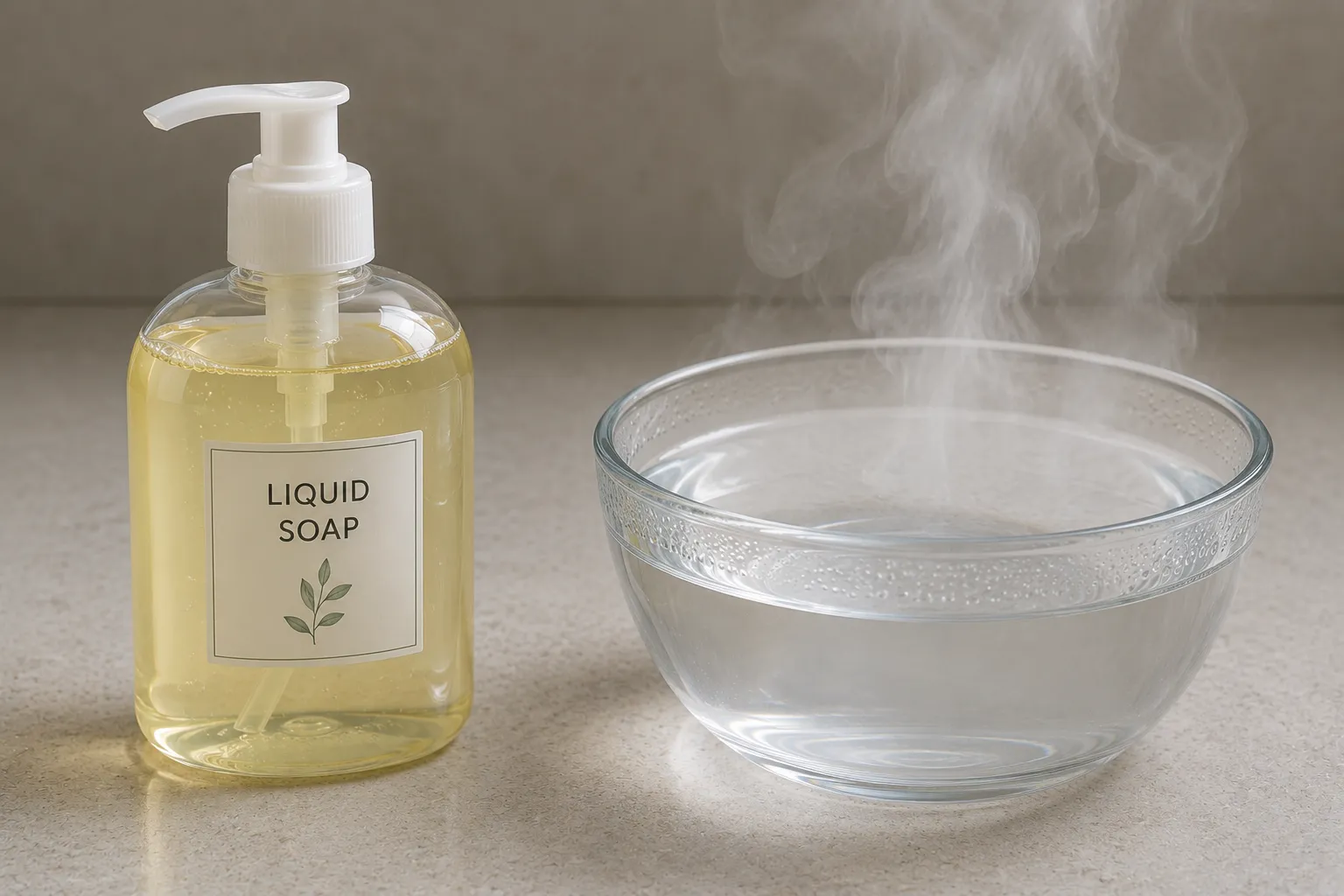
The gentlest wet cleaning method. Perfect for regular maintenance once a week keeps your silver consistently bright.
What you need:
- Mild dish soap (a few drops)
- Warm water (not hot)
- A soft toothbrush or soft cloth
- A clean, dry microfibre cloth for drying
How to do it:
- Mix 2-3 drops of mild dish soap into a bowl of warm water
- Place your silver jewellery in the solution and soak for 3-4 minutes
- Gently scrub with a soft toothbrush, reach into settings, links, and detail work
- Rinse thoroughly under clean running water
- Pat completely dry immediately with a microfibre cloth, never leave silver wet. Moisture speeds up tarnishing.
| CAUTION If your jewellery has gemstones especially porous ones like pearls, turquoise, or opals do not soak. Dip a soft cloth in the soapy water and wipe gently instead, then rinse with a damp cloth. |
Method 3 :- Baking Soda Paste (Moderate Tarnish)
| AT A GLANCE Time: 5-10 minutes | Best for: Moderate to stubborn tarnish on plain silver | Not for: Stones, enamel, or delicate finishes |
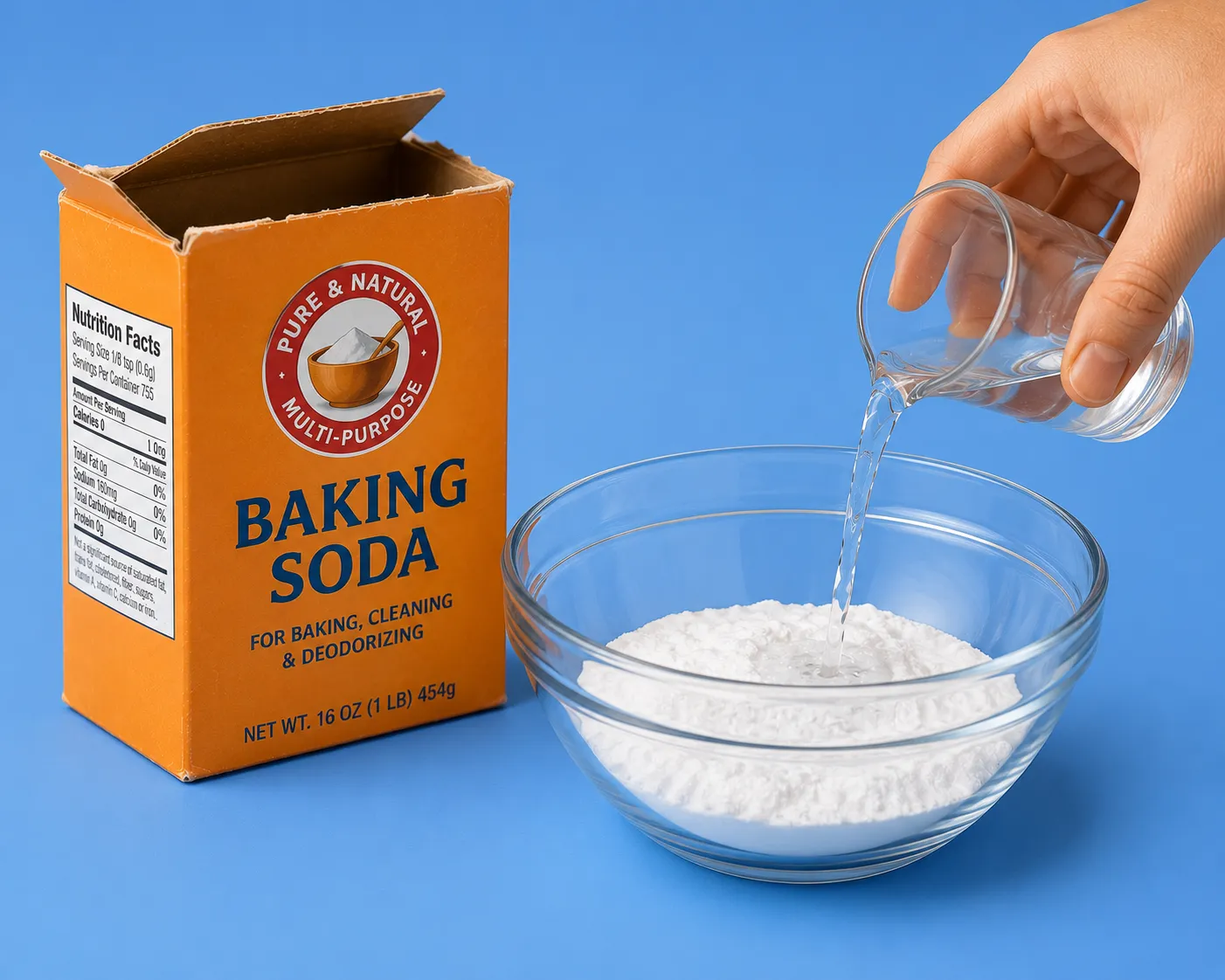
A classic home remedy that works well on plain 925 silver pieces. The mild abrasive action of baking soda lifts tarnish that water alone cannot shift.
What you need:
- 2 tablespoons of baking soda (bicarbonate of soda)
- A few drops of water
- A soft toothbrush or your fingers
- A clean dry cloth
How to do it:
- Mix baking soda with just enough water to form a thick paste
- Apply the paste to your silver using your fingers or a soft toothbrush
- Rub gently in small circular motions do not press hard
- Leave on for 2-3 minutes for heavily tarnished pieces
- Rinse thoroughly under warm water
- Dry immediately and completely with a soft cloth
| IMPORTANT WARNING Baking soda is mildly abrasive. Used too firmly or too often, it can leave fine scratches on high-polish silver. Use this method only when you need it, not as routine cleaning. Method 1 or 2 is better for weekly maintenance. |
Method 4 :- Aluminium Foil Method (Heavy Tarnish)
| AT A GLANCE Time: 5-10 minutes | Best for: Heavily tarnished plain silver | Not for: Gemstone-set pieces or delicate enamel |
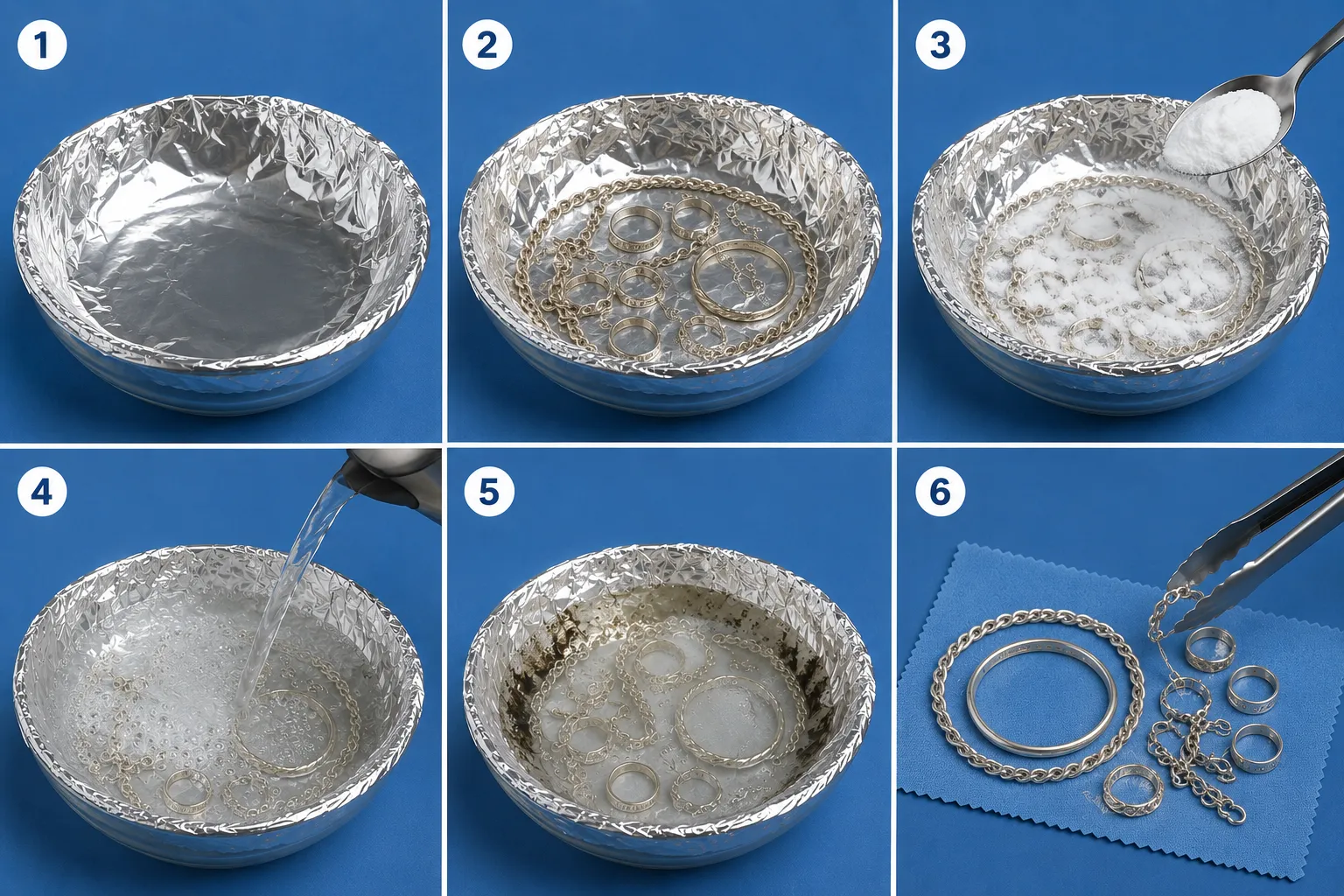
This method uses a simple electrochemical reaction to lift tarnish from silver without any scrubbing at all ideal for very dark pieces. The silver sulphide (tarnish) literally transfers from your jewellery onto the aluminium foil.
What you need:
- A bowl or dish lined with aluminium foil (shiny side up)
- 1 tablespoon of baking soda
- Boiling water
- Tongs (to handle hot water safely)
How to do it:
- Line your bowl with aluminium foil, shiny side facing up
- Place your silver jewellery directly on the foil, pieces must touch the foil
- Sprinkle 1 tablespoon of baking soda evenly over the jewellery
- Pour boiling water over everything until the jewellery is fully submerged
- Watch the tarnish transfer to the foil in 3-7 minutes (you will see it happen)
- Remove with tongs, rinse thoroughly under clean water, and dry completely
“The aluminium foil method works like magic, you can actually watch years of tarnish lift away without touching the jewellery at all.”
Method 5 :- White Toothpaste (Emergency Only)
| AT A GLANCE Time: 5 minutes | Best for: Emergency shine when nothing else is available | Not recommended as a regular method |
Toothpaste is a controversial one. It works, but it is mildly abrasive and can leave fine scratches on polished silver with repeated use. Use only plain white toothpaste (not gel, not whitening formula, not charcoal).
How to do it:
- Apply a small amount of plain white toothpaste to the silver
- Rub gently with a soft damp toothbrush in one direction
- Rinse thoroughly and dry completely
| OUR RECOMMENDATION Use Method 1, 2, or 3 for regular cleaning. Toothpaste should only be used when you have nothing else available. Never use on stones, pearls, or enamel. |
What NOT to Use on Silver Jewellery
Some things commonly recommended online can actually damage your jewellery permanently. Avoid these entirely:
| Avoid This | Why It Causes Damage |
| Bleach or household cleaners | Reacts harshly with silver causes permanent discolouration |
| Hot or boiling water (for stones) | Temperature shock can crack or loosen gem settings |
| Gel or whitening toothpaste | Too abrasive scratches and dulls polished silver permanently |
| Paper towels or rough cloths | Micro-fibres scratch silver surface always use microfibre only |
| Leaving jewellery wet | Moisture dramatically accelerates tarnish always dry immediately |
| Ultrasonic cleaners (for delicate pieces) | Safe for plain silver but can damage stones, enamel, and antique finishes |
How to Keep Silver from Tarnishing Again
Cleaning is great but preventing tarnish in the first place saves you a lot of effort. These habits make a significant difference:
Storage
- Store in airtight zip-lock bags when not wearing this cuts off sulphur exposure completely.
- Keep a small silica gel packet inside the bag it absorbs moisture and slows tarnish significantly.
- Store pieces separately to avoid scratching.
- Never store in a bathroom humidity accelerates tarnish dramatically.
Daily Habits
- The silver-last rule: Apply perfume, hairspray, and lotion before putting on your silver not after.
- Remove before swimming, showering, or washing dishes chlorine and soap are tarnish triggers.
- Wear your silver regularly. This might surprise you the natural oils from your skin gently polish silver and actually slow tarnishing for pieces worn daily.
| RELATED READING Learn more about why silver tarnishes: Why Does Silver Jewellery Turn Black?Understand your jewellery better: What is 925 Silver Jewellery? Complete Guide |
| KEEP YOUR 925 SILVER SHINING All Neersterling jewellery is genuine 925 sterling silver, built for daily wear, easy to clean, and beautiful for years. Browse the collection → neersterling.com |
Frequently Asked Questions
How often should I clean my silver jewellery?
For jewellery you wear daily, a quick wipe with a polishing cloth once a week is ideal. A deeper clean with soap and water once a month keeps it looking new. Only use stronger methods (baking soda, foil) when tarnish is noticeably dark.
Can I clean silver jewellery with vinegar?
White vinegar mixed with baking soda does work, but it produces a strong fizzing reaction that can be too aggressive for delicate pieces. The aluminium foil method (Method 4) achieves the same result far more safely.
Is it safe to clean silver with gemstones?
For most hard stones (diamonds, sapphires, rubies, cubic zirconia), soap and warm water is safe. For soft or porous stones (pearls, opals, turquoise, emeralds), wipe gently with a damp cloth only, no soaking, no chemicals.
Why does my silver keep turning black so quickly?
Fast tarnishing is usually caused by humidity, frequent contact with perfume or sweat, or improper storage. Airtight storage and wearing it regularly are the two biggest prevention factors. Read the full guide on tarnish causes: Why Does Silver Jewellery Turn Black? →
Can I use the same methods on silver-plated jewellery?
These methods are designed for genuine 925 sterling silver. On silver-plated jewellery, even gentle cleaning can wear through the thin silver coating. If your jewellery is plated, use only a soft dry cloth.



Permalink