
Cart 0

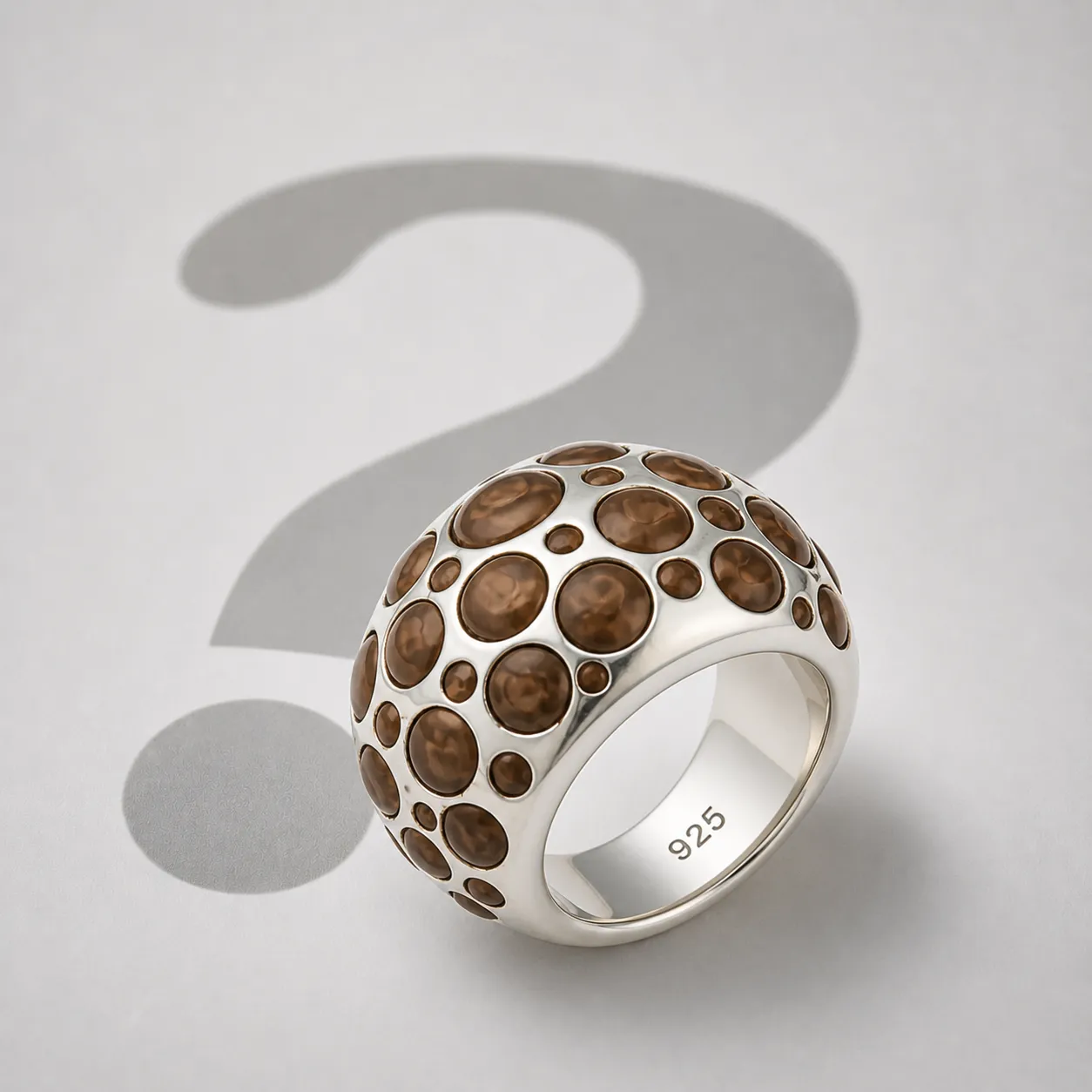
What is 925 Silver Jewellery? Complete Guide (2026)
What is 925 silver jewellery? It is one of the most popular types of silver used in jewellery today. If you’ve ever noticed a “925” stamp on a ring or necklace, it means the piece is made of sterling silver.
In this guide, you’ll learn its meaning, purity, benefits, and how to identify real silver.
Understanding what is 925 silver jewellery helps you make better buying decisions.
What is 925 Silver Jewellery?
The number 925 is a hallmark, an internationally recognized purity stamp. It tells you that the jewellery is made of 92.5% pure silver and 7.5% other metals, usually copper or zinc.
This specific combination is called Sterling Silver, the global standard for silver jewellery. The “925” and “Sterling Silver” labels mean exactly the same thing.
The 92.5%: Pure silver content, the real, precious metal that gives jewellery its beautiful shine and value.
The 7.5%: Added metals (usually copper) that make the silver stronger and durable enough for everyday jewellery.
According to Britannica, sterling silver (925 silver) contains 92.5% pure silver and is the standard used in jewellery worldwide. link :- https://www.britannica.com/art/sterling-metallurgy
| “925 isn’t a compromise on quality, it’s the perfect formula that makes silver both beautiful and wearable.” |
The hallmark is usually stamped in a tiny, hard-to-see location, inside a ring band, on the clasp of a necklace, or behind an earring stud. Always look for it when buying silver jewellery.
Is 925 Silver Real Silver?
Absolutely, yes. 925 sterling silver is real silver. In fact, it is the most widely used and trusted form of silver in jewellery-making worldwide.
Here is why 100% pure silver is not used for jewellery:
- Pure silver (999) is too soft. It bends, scratches and deforms extremely easily.
- It cannot hold detailed designs. Intricate patterns and settings require structural strength.
- It wears out too fast with daily use, making it impractical for rings, bracelets or earrings.
925 silver solves all of this. It gives you genuine silver beauty with enough strength to last years, even with daily wear.
| Quick Test Rub the jewellery with a white cloth. If you see slight black marks, it’s likely genuine 925 silver (silver oxidises naturally). No marks at all can indicate silver plating over a different base metal. Many people still ask what is 925 silver jewellery and whether it is real silver |
925 Silver vs Pure Silver vs Other Types
Not all silver jewellery is created equal. Here is a clear breakdown of the different types you will encounter:
999 Fine Silver :- 99.9% silver | Best for: Bullion, collectors | Durability: Very soft — not for daily wear
925 Sterling Silver ✓ (Recommended) :- 92.5% silver | Best for: All jewellery | Durability: Strong, durable, everyday safe
Silver Plated :- Thin layer only | Best for: Fashion jewellery | Durability: Fades quickly, not real silver
German Silver :- 0% silver | Best for: Costume jewellery | Durability: Contains no silver at all
Nickel Silver :- 0% silver | Best for: Industrial use | Durability: Can cause skin allergies
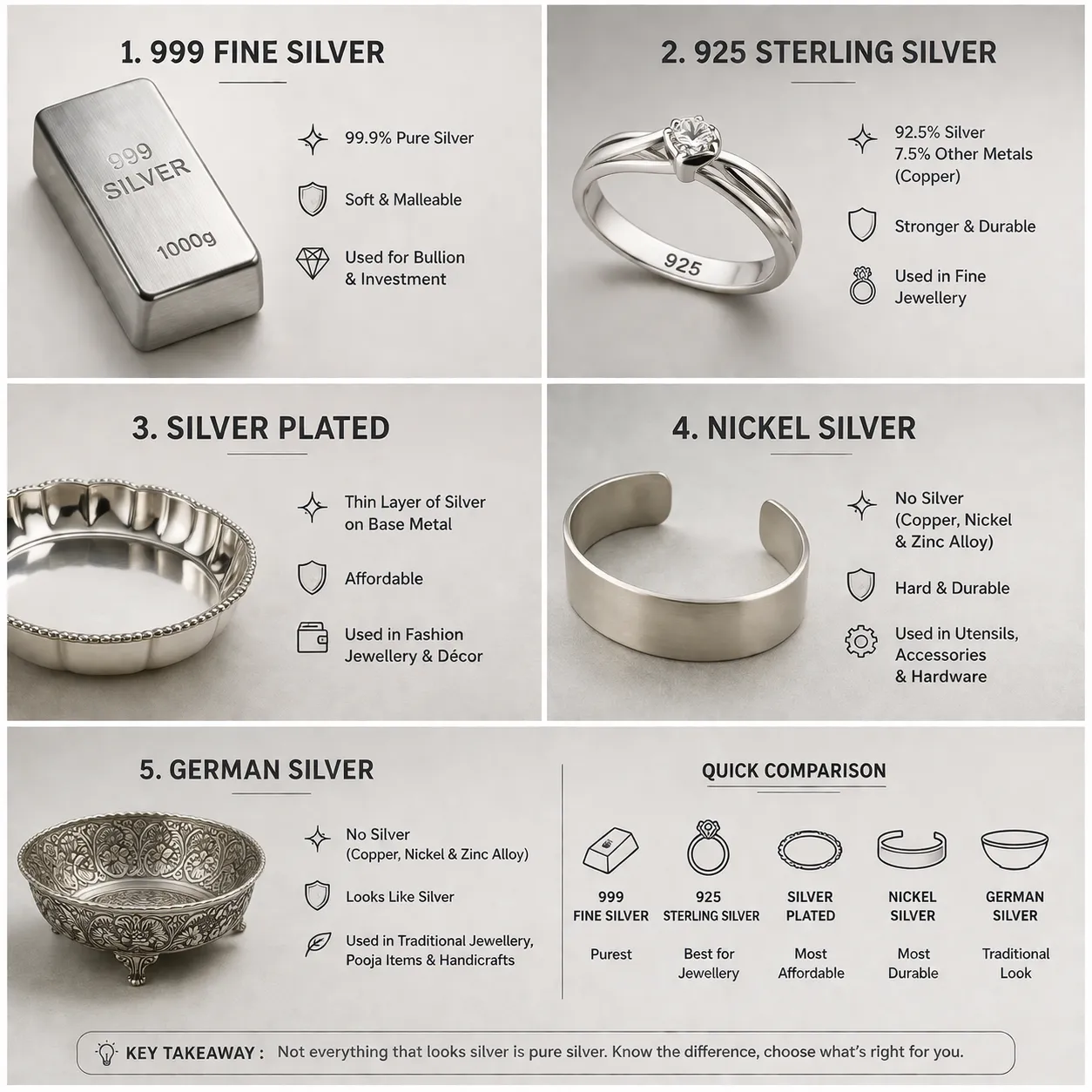
When buying silver jewellery online or offline, always confirm the 925 hallmark. “Silver-toned” or “silver-coloured” does not mean genuine silver.
Why 925 Silver is the Best Choice for Jewellery
925 sterling silver has dominated fine jewellery for centuries, and for very good reasons:
- Timeless beauty: The bright, reflective shine of sterling silver complements every skin tone and outfit , from casual daily wear to weddings and festivals.
- Affordable luxury: You get the look and feel of precious metal jewellery at a fraction of gold’s price.
- Hypoallergenic: 925 silver is generally safe for sensitive skin. Most reactions come from nickel-based metals, not silver.
- Versatile styling: It pairs with everything, minimal office looks, ethnic festival outfits, casual Western wear, and everything in between.
- Long-lasting value: Unlike silver-plated jewellery, genuine 925 silver does not fade or peel. With proper care, it lasts a lifetime.
Ideal for gifting: Silver jewellery is one of the most universally loved gifts for birthdays, anniversaries, weddings and festivals.
Knowing what is 925 silver jewellery helps you understand why it is the best choice for everyday wear.
How to Identify Genuine 925 Silver
If you understand what is 925 silver jewellery, these tests become much easier to trust.
With so many fake and plated products in the market, knowing how to spot real 925 silver is essential. Here are the most reliable methods:
1. Look for the Hallmark
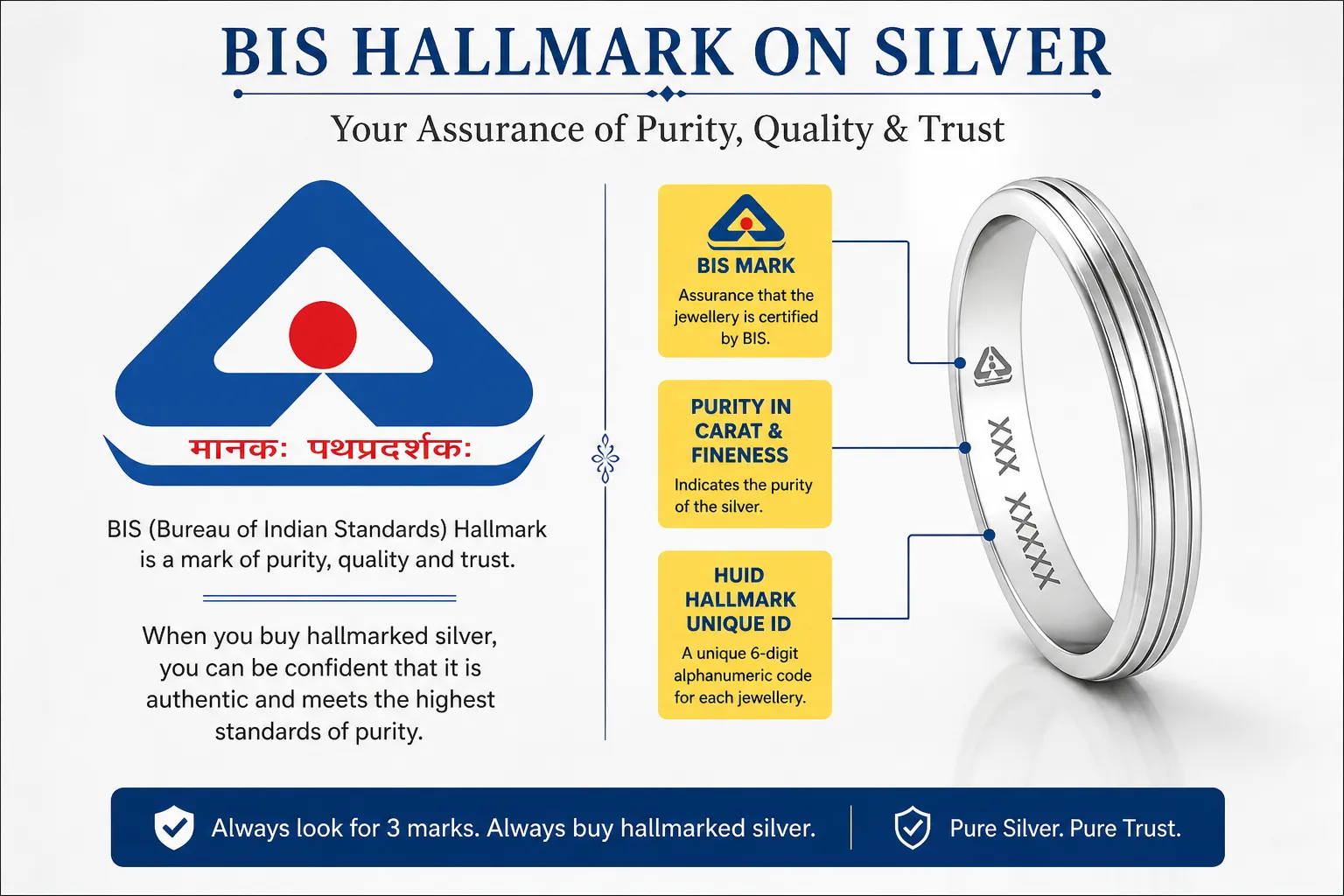
Genuine 925 silver will have a small stamp reading “925”, “S925”, “Sterling” or “Ster” somewhere on the piece. This is the most reliable indicator.
2. The Magnet Test
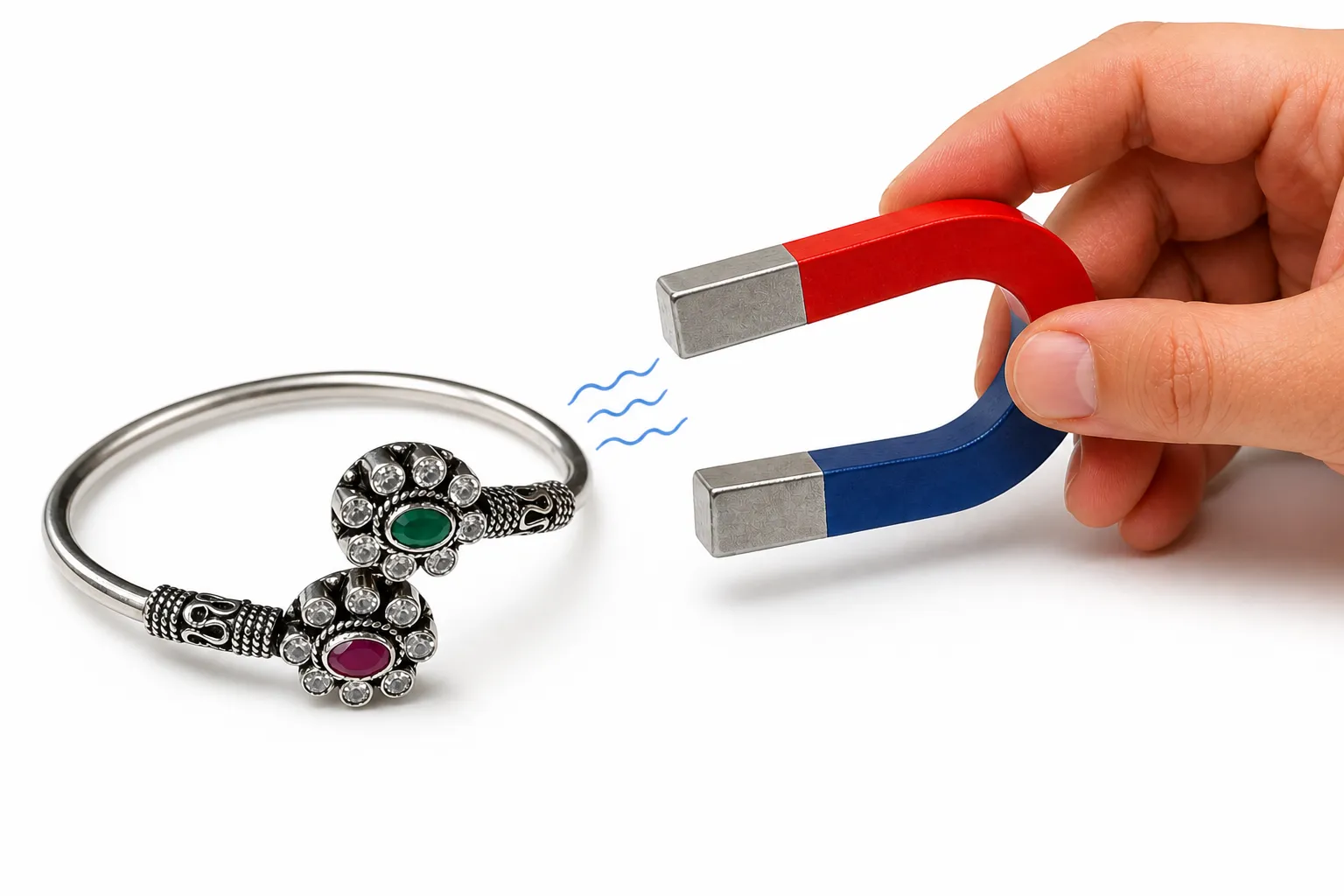
Silver is not magnetic. Hold a strong magnet near the jewellery. If it sticks or is strongly attracted, it’s not real silver. (Note: some jewellery has magnetic clasps test only the main piece.)
3. The Cloth Rub Test
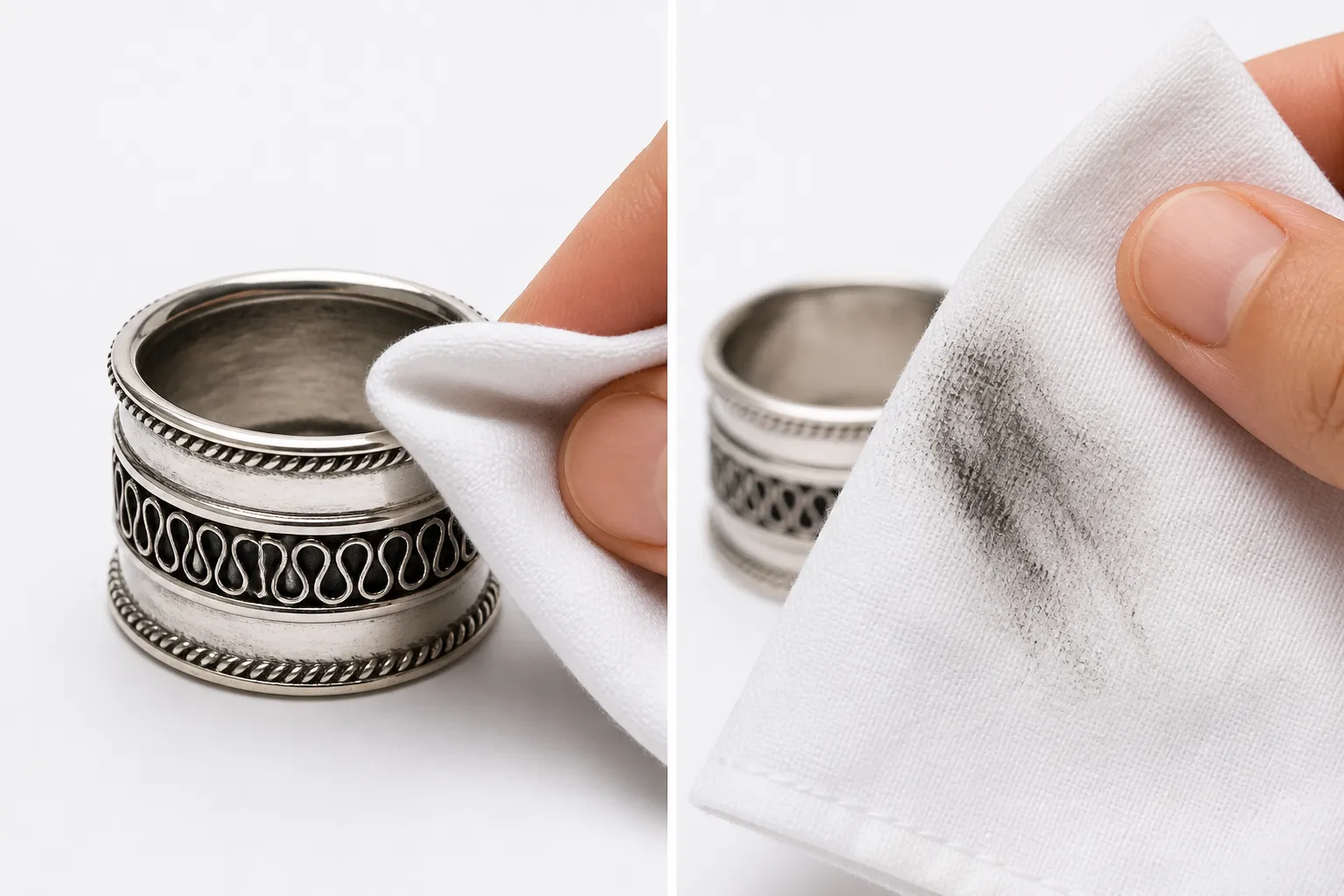
Rub with a clean white cloth. Genuine silver leaves faint black oxidation marks on the cloth. This is normal and actually confirms authenticity.
4. The Ice Test
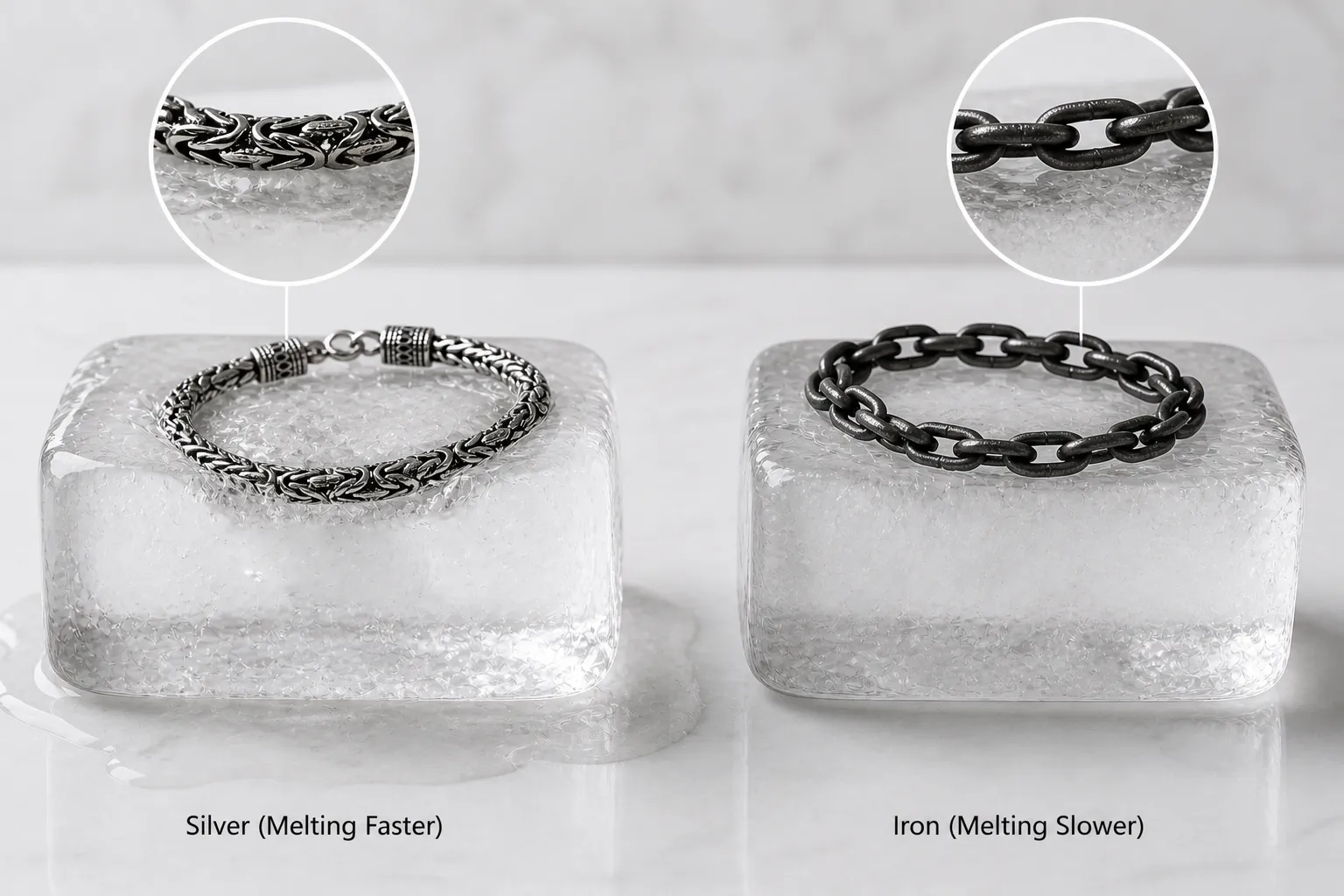
Real silver has extremely high thermal conductivity, it melts ice faster than other metals. Place an ice cube on the piece. If it melts quickly, it’s likely genuine silver.
Pro Tip for Online Shopping: Always buy from sellers who provide a certificate of authenticity or BIS hallmark documentation. At Neersterling, every piece comes with purity assurance.
How to Care for Your 925 Silver Jewellery
925 silver requires simple, consistent care to keep it shining like the day you bought it. Here is what you need to know:
Daily Habits
- Remove silver jewellery before swimming, bathing, or doing dishes, chlorine and soap accelerate tarnish.
- Put silver on after applying perfume, lotion, or hairspray, chemicals dull the shine.
- Interestingly, wearing silver daily actually reduces tarnish, the natural oils in your skin keep it polished.
Cleaning
- Mild soap and warm water with a soft cloth works perfectly for regular cleaning.
- Use a dedicated silver polishing cloth for a quick shine.
- Avoid abrasive materials, toothpaste, or harsh chemicals, they scratch the surface.
Storage
- Store in an airtight zip-lock bag or an anti-tarnish pouch when not wearing.
- Keep pieces separate to avoid scratching.
- Add a small silica gel packet to the storage bag to absorb moisture.
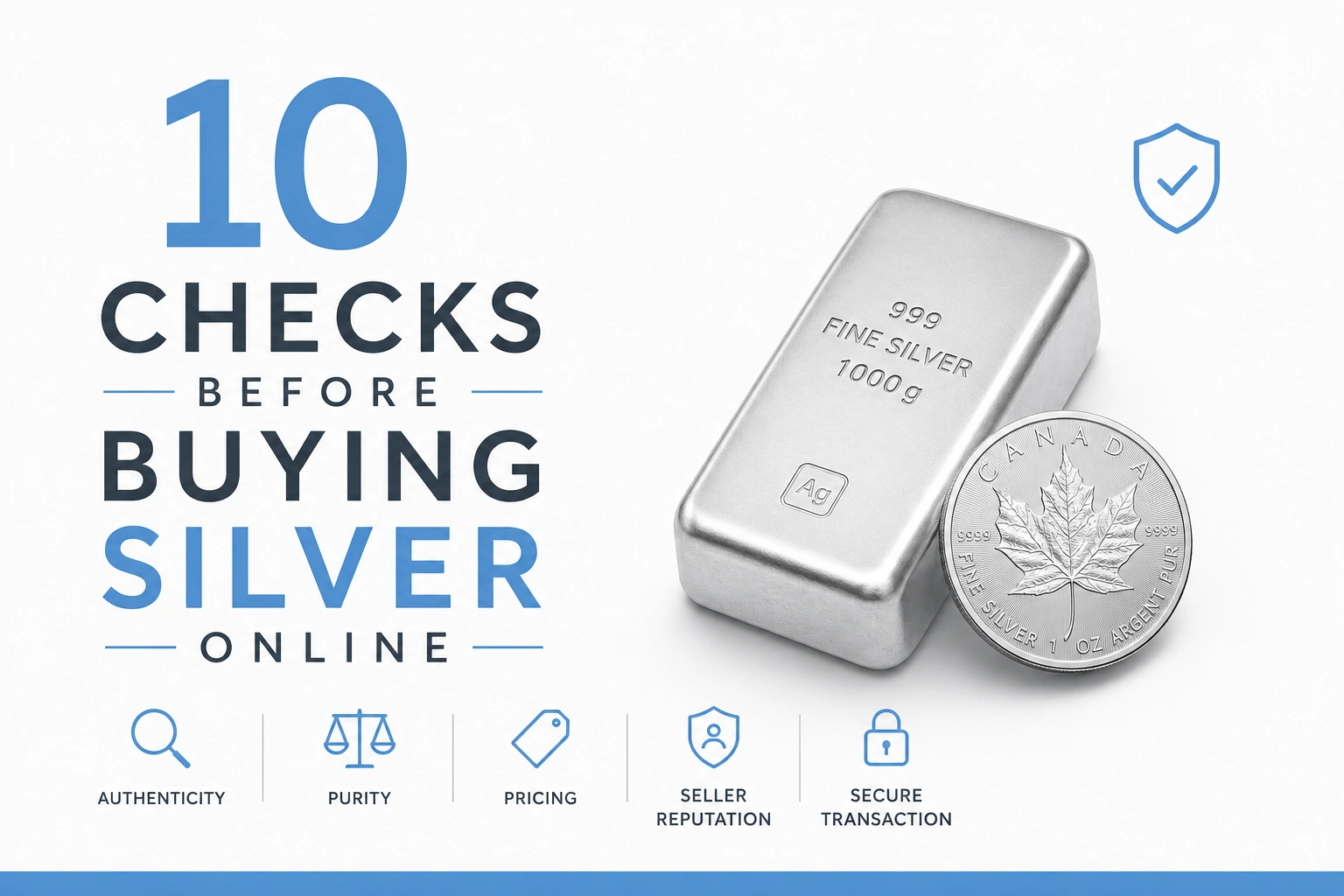
Buying Guide: What to Check Before You Buy
Whether shopping online or in a store, use this checklist before purchasing any silver jewellery:
- Look for the 925 hallmark, visible on the product photos or product description
- Check the seller’s authenticity claims, do they mention 925 sterling silver specifically?
- Read reviews carefully, look for comments on tarnish, skin reactions, or quality issues
- Check the weight, genuine silver has noticeable weight. Very light pieces may be silver-plated
- Look at the price, if 925 silver is priced the same as costume jewellery, something is wrong
- Ask for documentation, reputable sellers provide authenticity certificates
- Check return policy, a trustworthy brand always allows returns
Now that you understand what is 925 silver jewellery, you can confidently choose genuine and high-quality pieces. Link :- neersterling.com
Frequently Asked Questions
What is the difference between 925 silver and silver-plated jewellery?
925 silver is solid sterling silver throughout. Silver-plated jewellery is a base metal (like brass or copper) coated with a thin layer of silver that wears off over time. Always look for the 925 hallmark to confirm you are buying real silver.
What does 925 mean in silver jewellery?
925 means the jewellery contains 92.5% pure silver and 7.5% other metals (usually copper) added for strength. It is the international standard for sterling silver and the most trusted quality of silver used in jewellery.
Is 925 silver better than pure silver for jewellery?
Yes, for everyday jewellery, 925 sterling silver is actually better than pure (999) silver. Pure silver is too soft and bends easily. The 7.5% alloy addition gives sterling silver the strength needed for rings, earrings, and bracelets to hold their shape with daily wear.
Does 925 silver tarnish?
925 silver can tarnish over time when exposed to air, moisture, and chemicals. However, tarnish is surface-level and easily removed with a soft cloth or mild soap. It does not mean the jewellery is damaged or of poor quality.
Is 925 silver good for sensitive skin?
Yes. 925 sterling silver is generally hypoallergenic and safe for most people with sensitive skin. If you have a specific nickel allergy, check whether the alloy used contains nickel. Neersterling uses copper-based alloys to ensure skin-safe jewellery
How long does 925 silver jewellery last?
With proper care, 925 sterling silver jewellery can last a lifetime. The key is regular cleaning, proper storage in airtight bags, and avoiding harsh chemicals. Many heirloom pieces are made of sterling silver passed down through generations.
What is the difference between 925 silver and silver-plated jewellery?
925 silver is solid sterling silver throughout. Silver-plated jewellery is a base metal (like brass or copper) coated with a thin layer of silver that wears off over time. Always look for the 925 hallmark to confirm you are buying real silver.

Permalink
Permalink
Permalink
Permalink