
Cart 0

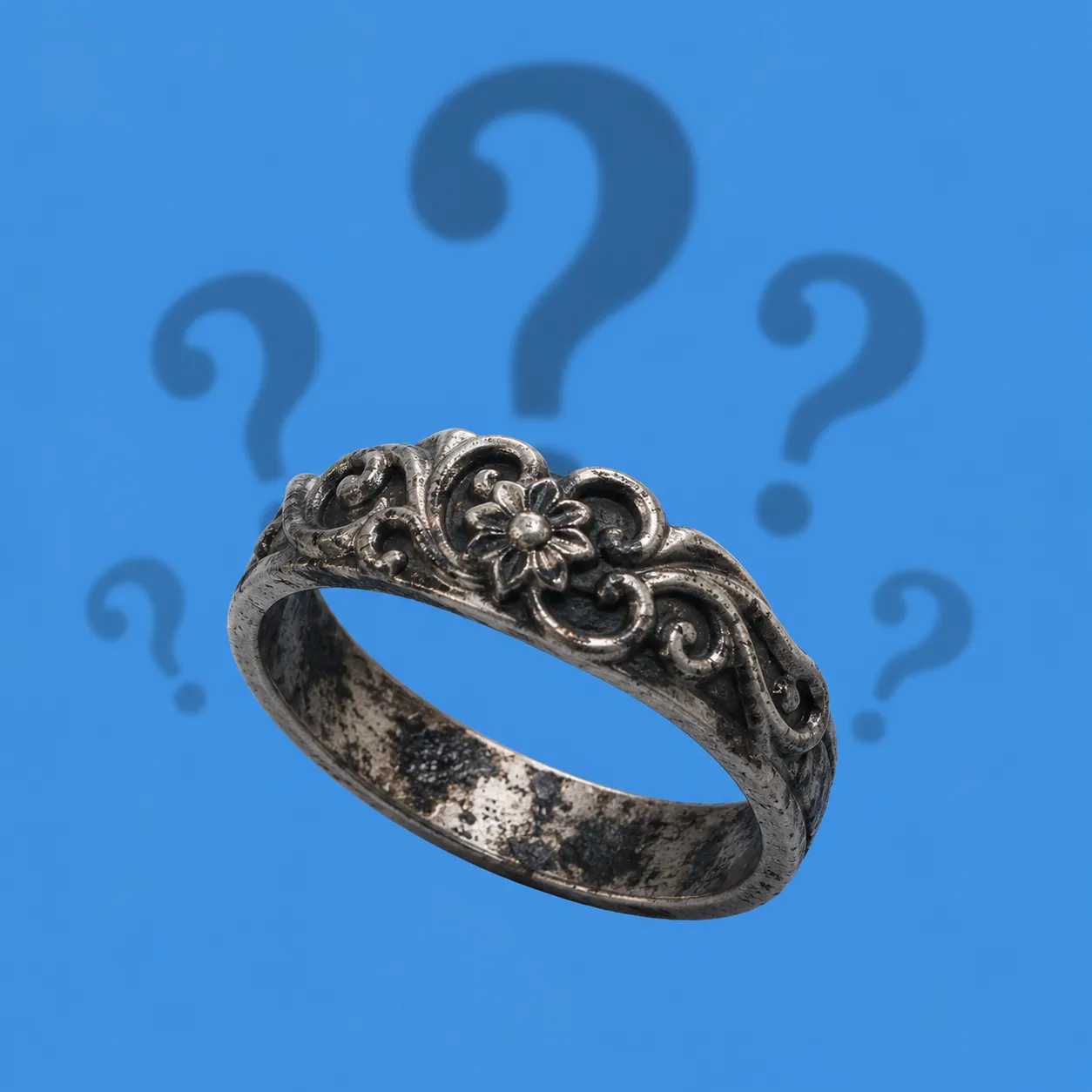
Why Does Silver Turn Black? Causes, Fix & Prevention
Why does silver turn black? If you’ve ever bought a silver ring or necklace and noticed it turning dark within weeks, you’re not alone. The good news is that this is completely normal, 100% fixable, and easy to prevent once you understand the reason behind it.
Why Does Silver Turn Black? The Real Science
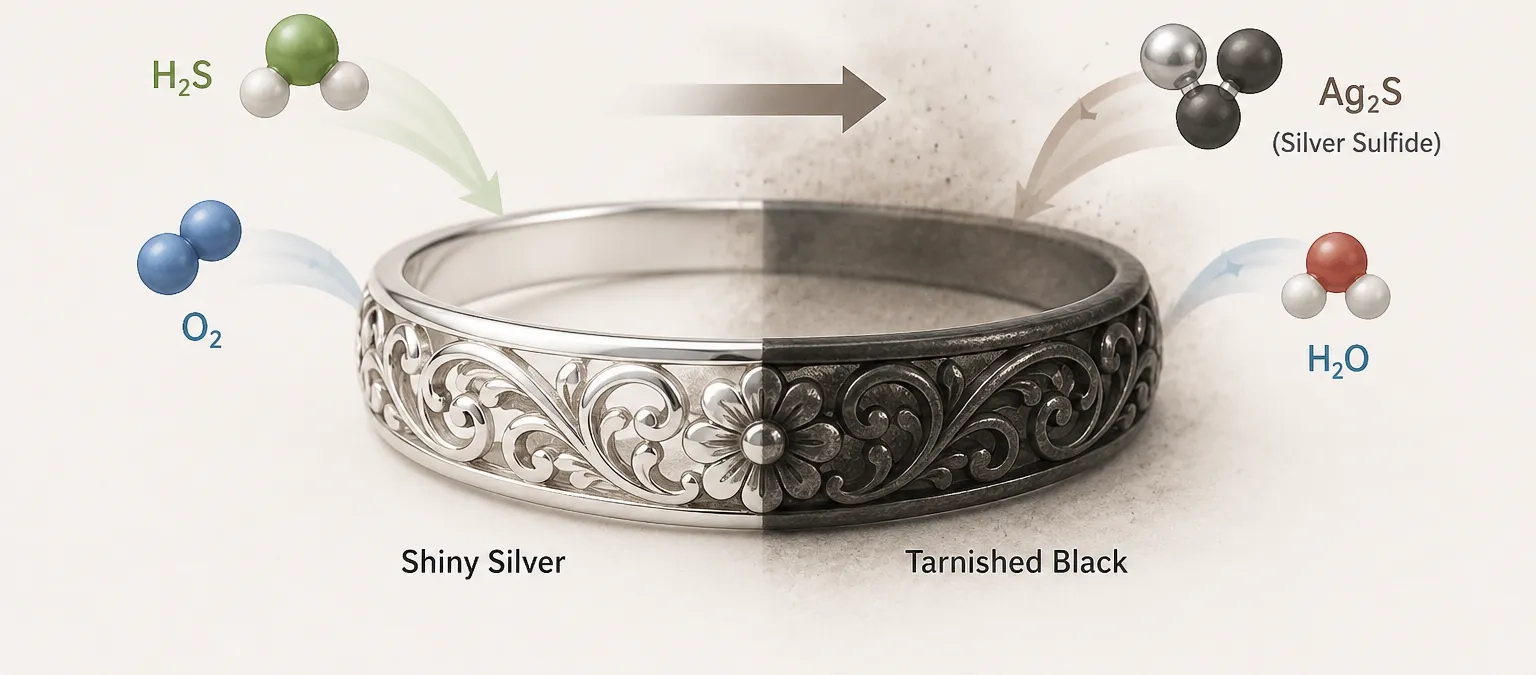
Silver turning black is called tarnishing a natural chemical reaction, not a sign of damage or poor quality.
Here is exactly what happens: Silver reacts with hydrogen sulphide (H₂S) and sulphur compounds present in the air, in your skin, and in everyday products. This reaction forms a new compound called silver sulphide which is dark grey or black in colour.
The reaction: 4 Ag + 2 H₂S + O₂ → 2 Ag₂S + 2 H₂O
The good news: this reaction only affects the surface of the jewellery. The silver underneath is perfectly intact. All you need to do is clean off that thin black layer and your jewellery will shine like new.
According to the Canadian Conservation Institute, silver darkens when it reacts with sulfur-containing gases in the air, forming a tarnish layer. Link :- https://www.canada.ca/en/conservation-institute/services/preventive-conservation/guidelines-collections/metal-objects/understanding-silver-tarnish.html?utm_source=chatgpt.com
“Tarnish is proof that your jewellery is real silver not a flaw, just chemistry doing its job.”
Six Main Causes of Silver Tarnish
Understanding what causes tarnish helps you prevent it. Here are the most common triggers:
- Moisture & Humidity: Bathrooms, kitchens, and rainy weather accelerate tarnish significantly. Never store silver in humid spaces.
- Sulphur in the Air: Sulphur compounds are everywhere in air pollution, rubber, wool, and even certain foods like eggs and onions.
- Perfumes & Lotions: Chemicals in cosmetics, body spray, hairspray, and creams react with silver and dramatically speed up darkening.
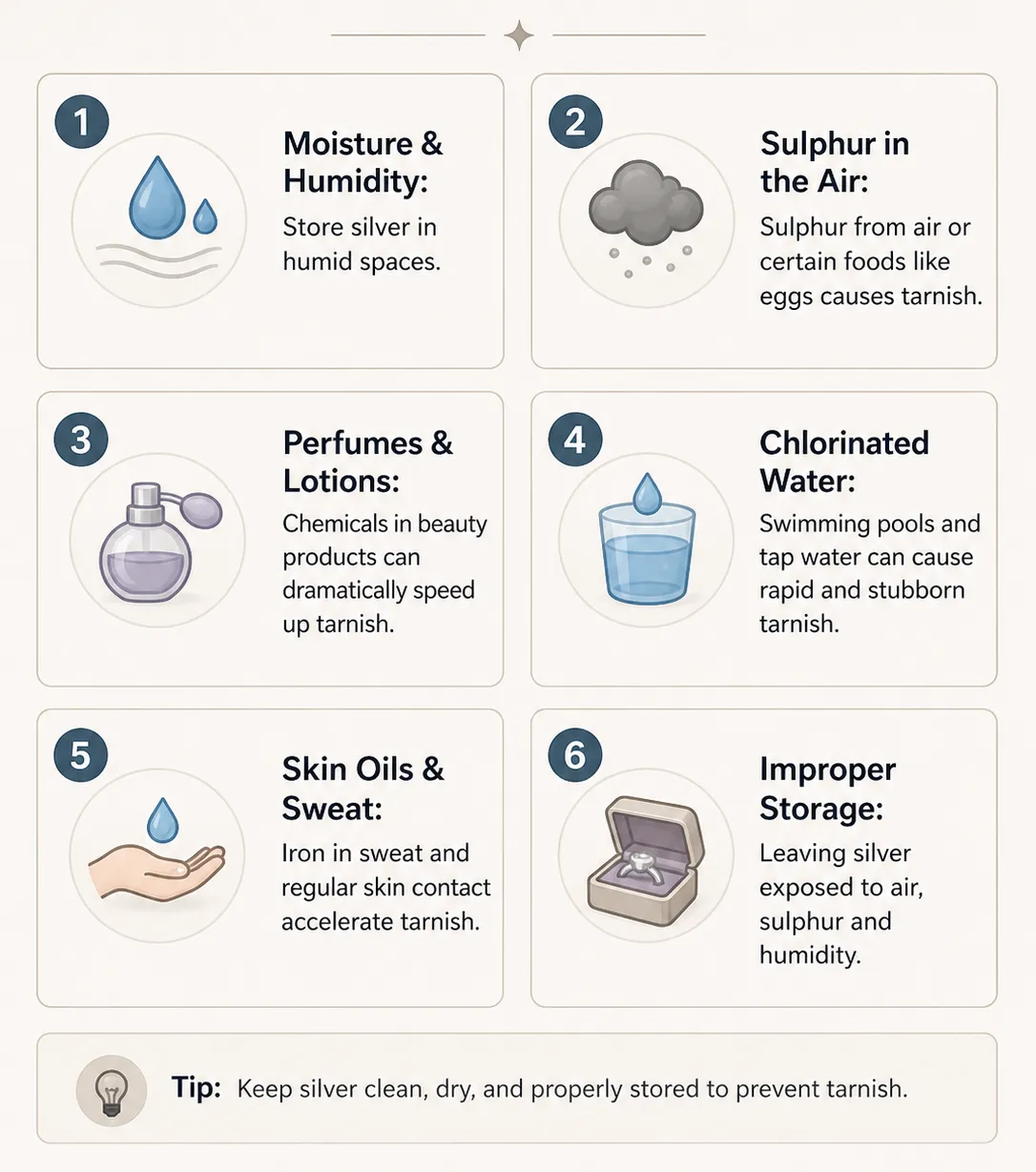
- Chlorinated Water: Swimming pool water contains chlorine that reacts harshly with silver, causing rapid and stubborn tarnish.
- Skin Oils & Sweat: Ironic as it sounds, sweat contains sulphur and salt that cause tarnish but light, regular skin contact actually helps.
- Improper Storage: Leaving silver out in open air, or in non-airtight boxes, exposes it constantly to sulphur and humidity.
Does Tarnish Mean the Silver is Low Quality?
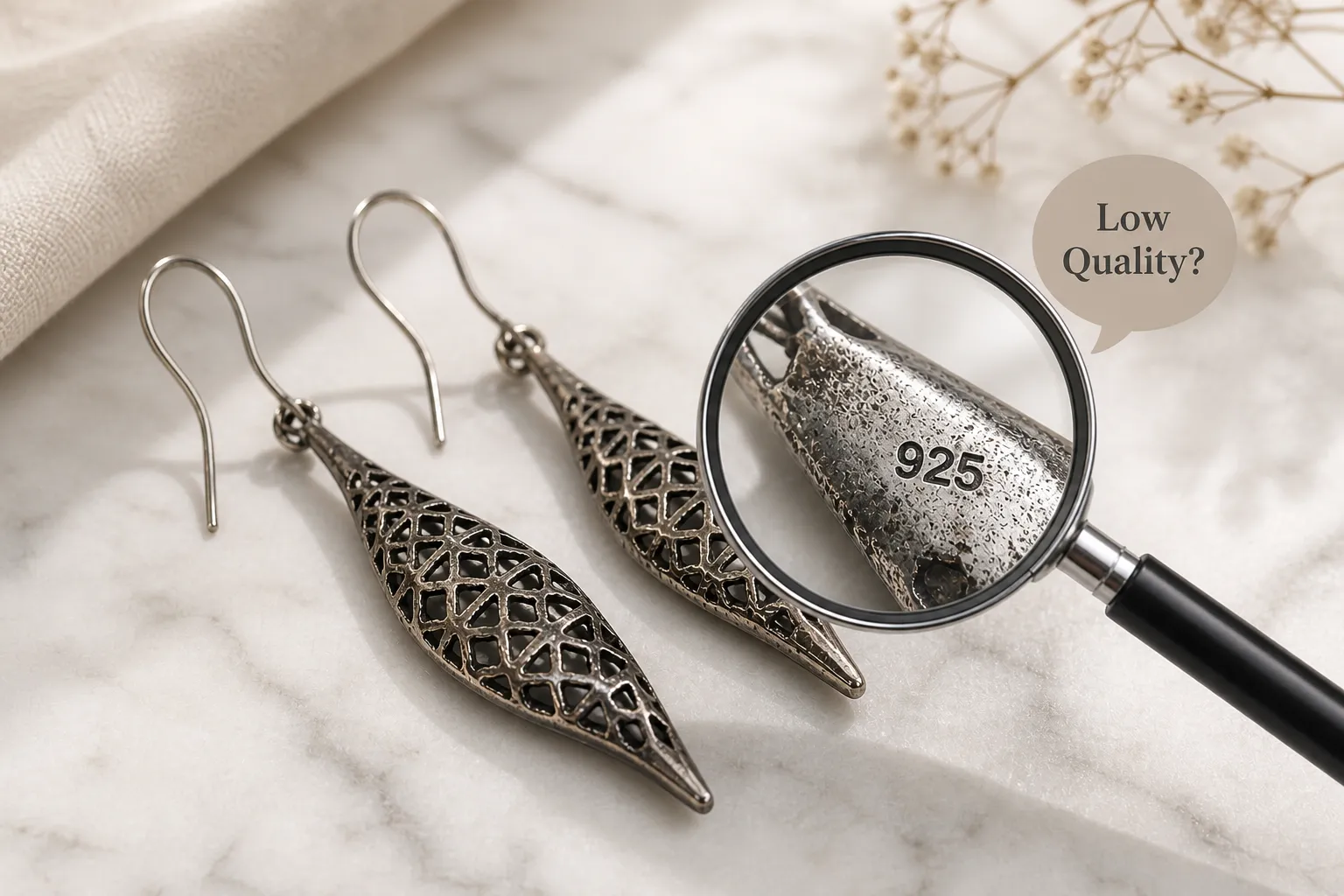
Absolutely not. This is one of the biggest misconceptions about silver jewellery.
In fact, tarnishing is actually a sign that your jewellery is real 925 sterling silver. Silver-plated jewellery tends to peel, chip or turn green not uniformly darken the way genuine sterling silver does.
- Even museum-grade, antique silver tarnishes with age
- High-end silver brands worldwide deal with tarnish it’s universal
- The speed of tarnishing depends on your lifestyle, climate, and storage habits not the quality of the metal
Note: All 925 sterling silver pieces will tarnish naturally over time. This is normal and expected. Every piece comes back to full shine with a simple clean which we’ll show you right now.
Four Easy Ways to Remove Tarnish at Home
You do not need expensive silver cleaners or a trip to a jeweller. These home methods work brilliantly and are completely safe for 925 sterling silver:
Method 1: Soap & Warm Water (Best for Light Tarnish)
The simplest method perfect for regular maintenance cleaning and light darkening.
- Mix 2–3 drops of mild dish soap in a bowl of warm (not hot) water
- Soak your silver jewellery for 2–3 minutes
- Gently scrub with a soft-bristle toothbrush reach into small details and clasps
- Rinse thoroughly under clean water
- Pat completely dry with a soft lint-free cloth moisture left on silver causes more tarnish
Method 2: Baking Soda Paste (Best for Moderate Tarnish)
A classic, effective method for stubborn tarnish uses materials you already have at home.
- Mix 2 tablespoons of baking soda with just enough water to form a thick paste
- Apply the paste to your jewellery with your fingers or a soft cloth
- Gently rub in small circular motions do not press hard
- Leave for 2–3 minutes on very dark pieces
- Rinse completely under warm water and dry thoroughly
Caution: Baking soda is mildly abrasive. Use it gently and only when needed. For jewellery with gemstones, skip this method use soap and water instead.
Method 3: Aluminium Foil & Baking Soda (Best for Heavy Tarnish)
This method uses a simple chemical reaction to lift tarnish without any scrubbing. Best for heavily darkened pieces.
- Line a bowl with aluminium foil (shiny side up)
- Place your silver jewellery on the foil pieces must touch the foil
- Sprinkle 1 tablespoon of baking soda over the jewellery
- Pour boiling water over everything until the jewellery is submerged
- Watch the tarnish literally transfer to the foil in 2–5 minutes
- Remove, rinse well with clean water and dry completely
Method 4: Silver Polishing Cloth (Best for Quick Shine)
A silver polishing cloth is the easiest and safest daily-use option. It requires no water, no chemicals just a quick buff.
- Hold the jewellery firmly
- Rub gently in one direction (back and forth, not circular) using the polishing cloth
- Use light pressure the cloth does the work
- Continue until the shine returns
Silver polishing cloths are inexpensive, reusable, and last a long time. Recommended for weekly maintenance.
What NOT to Do When Cleaning Silver
Some commonly suggested methods can actually damage your jewellery. Avoid these:
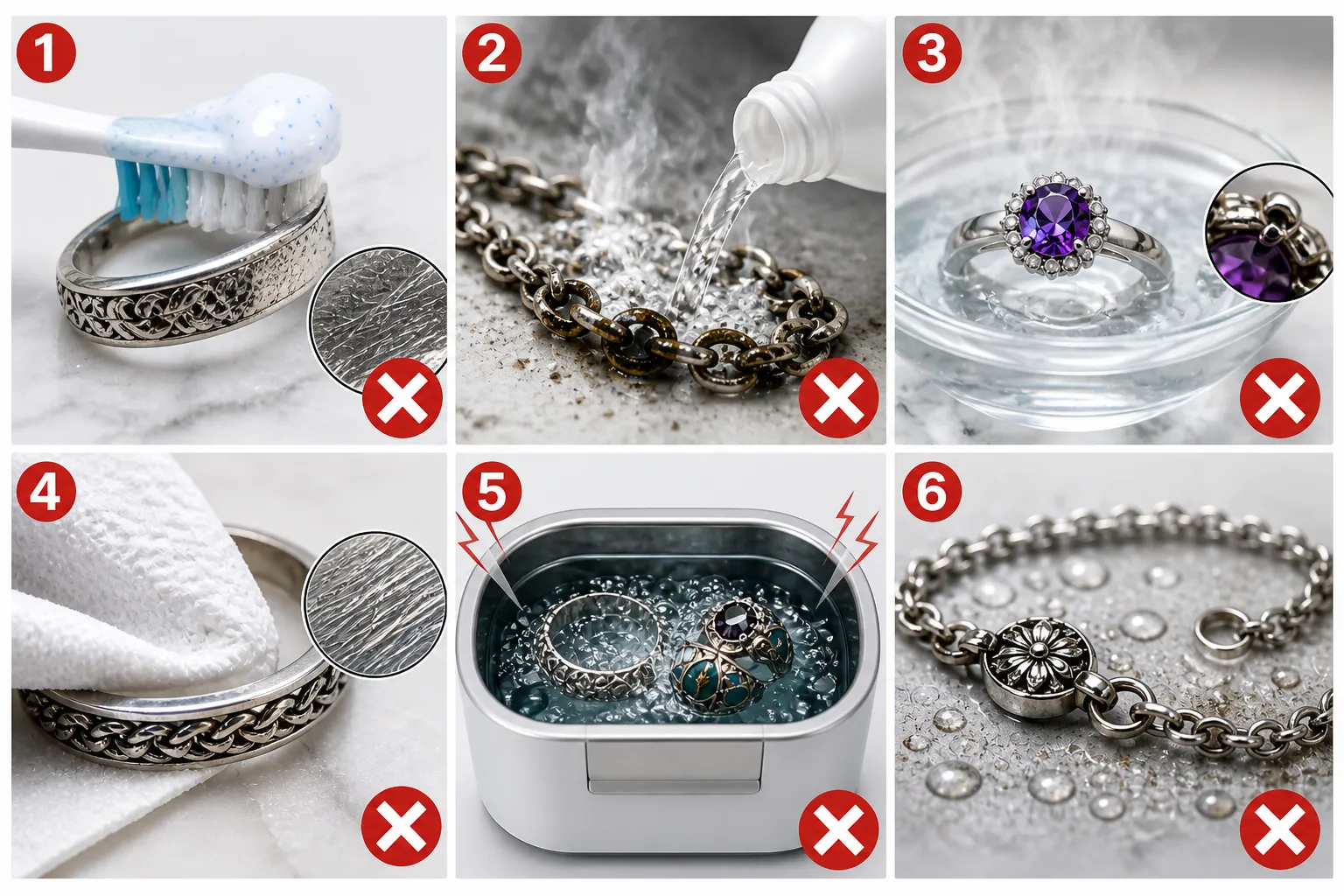
- Toothpaste: Despite popular belief, toothpaste is too abrasive for silver. It scratches the surface and dulls the finish permanently.
- Bleach or household cleaners: These chemicals react aggressively with silver and can cause irreversible damage.
- Hot water for gemstone-set pieces: Sudden temperature changes can loosen stone settings. Use lukewarm water only.
- Paper towels or rough cloths: These scratch silver. Always use soft, lint-free cloths ideally microfibre.
- Ultrasonic cleaners for delicate pieces: Safe for plain silver but can damage stones, enamel work, or delicate designs.
- Leaving jewellery wet: Always dry completely. Moisture is one of the biggest causes of tarnish.
How to Prevent Silver from Turning Black
Prevention is far easier than cleaning. Build these habits and your silver will stay bright much longer:
- Store in Airtight Bags: Zip-lock bags cut off sulphur exposure completely when not wearing.
- Wear It Regularly: Skin friction and natural oils gently polish silver, daily wearers see less tarnish.
- Remove Before Water: Take off before showering, swimming, or washing dishes.
- Silver Last Rule: Apply perfume, lotion and hairspray first. Put silver on last.
- Avoid Humidity: Never store in the bathroom. Use a dry drawer or jewellery box.
- Clean Regularly: A quick wipe with a polishing cloth weekly prevents buildup.
Bonus Tip: Add a small silica gel packet inside your jewellery storage bag. It absorbs moisture and dramatically slows tarnishing, especially in humid climates.
Frequently Asked Questions
Why does silver jewellery turn black?
Silver turns black due to tarnishing, a natural chemical reaction between silver and sulphur compounds in the air, sweat, and everyday products. It forms silver sulphide on the surface, which appears dark grey or black. It is completely normal and easily reversed.
Is silver turning black a sign of fake or poor quality?
No. Tarnishing is actually a characteristic of genuine silver. Low-quality silver-plated jewellery tends to peel or turn green rather than uniformly darkening. Real 925 sterling silver tarnishes ,and cleaning it back to full shine is simple.
How quickly does 925 silver tarnish?
It varies. In humid climates, near the sea, or if stored in the open air, tarnishing can happen within a few weeks. With proper airtight storage and regular wearing, you can go months without needing to clean your silver.
Can I clean tarnished silver without buying anything?
Yes, completely. Mild dish soap and warm water removes light tarnish. Baking soda paste handles moderate tarnish. The aluminium foil method works for heavy tarnish. All three use items you already have at home.
Will silver tarnish faster in India’s climate?
Yes, India’s hot and humid climate, especially during monsoon season accelerates silver tarnishing. Storing silver in airtight bags with a silica gel packet is particularly important in Indian climates. Regular cleaning keeps it looking great year-round.



Permalink
Permalink